In roughly one out of every fifteen MPO deployments we handle, the root cause of first-day link failure traces back to polarity mismatch-not a connector defect, not a damaged fiber, but a specification error on the original purchase order. The physical connection looks correct, insertion loss passes, and nobody catches the problem until turn-up.
TIA-568.3-D defines three polarity methods specifically because multi-fiber connectivity creates mapping complexity that single-fiber LC connections never faced. The standard prevents exactly this failure mode, but only when procurement and installation teams specify the correct method for their architecture upfront.
Method A, B, and C: The Decision Logic
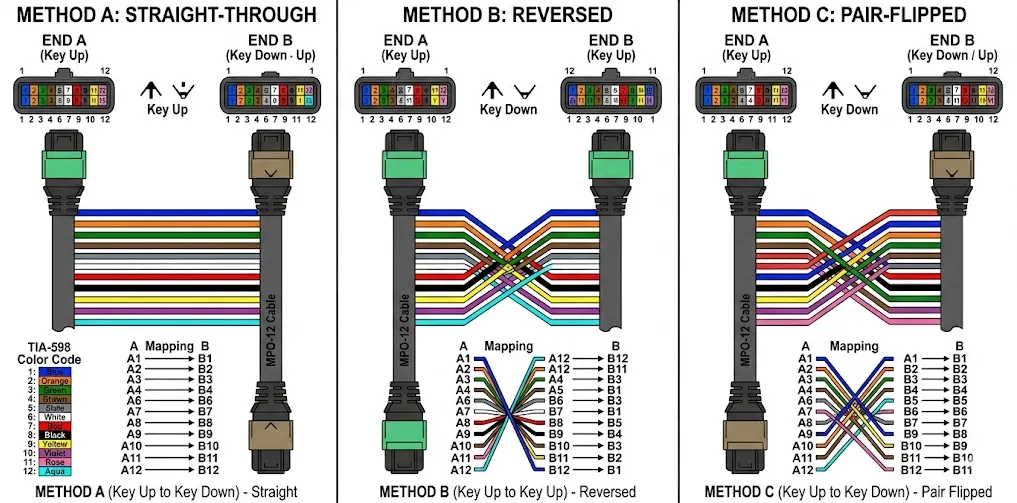
These three methods are not interchangeable. Each assumes a specific system architecture, and specifying the wrong one guarantees link failure.
Method A
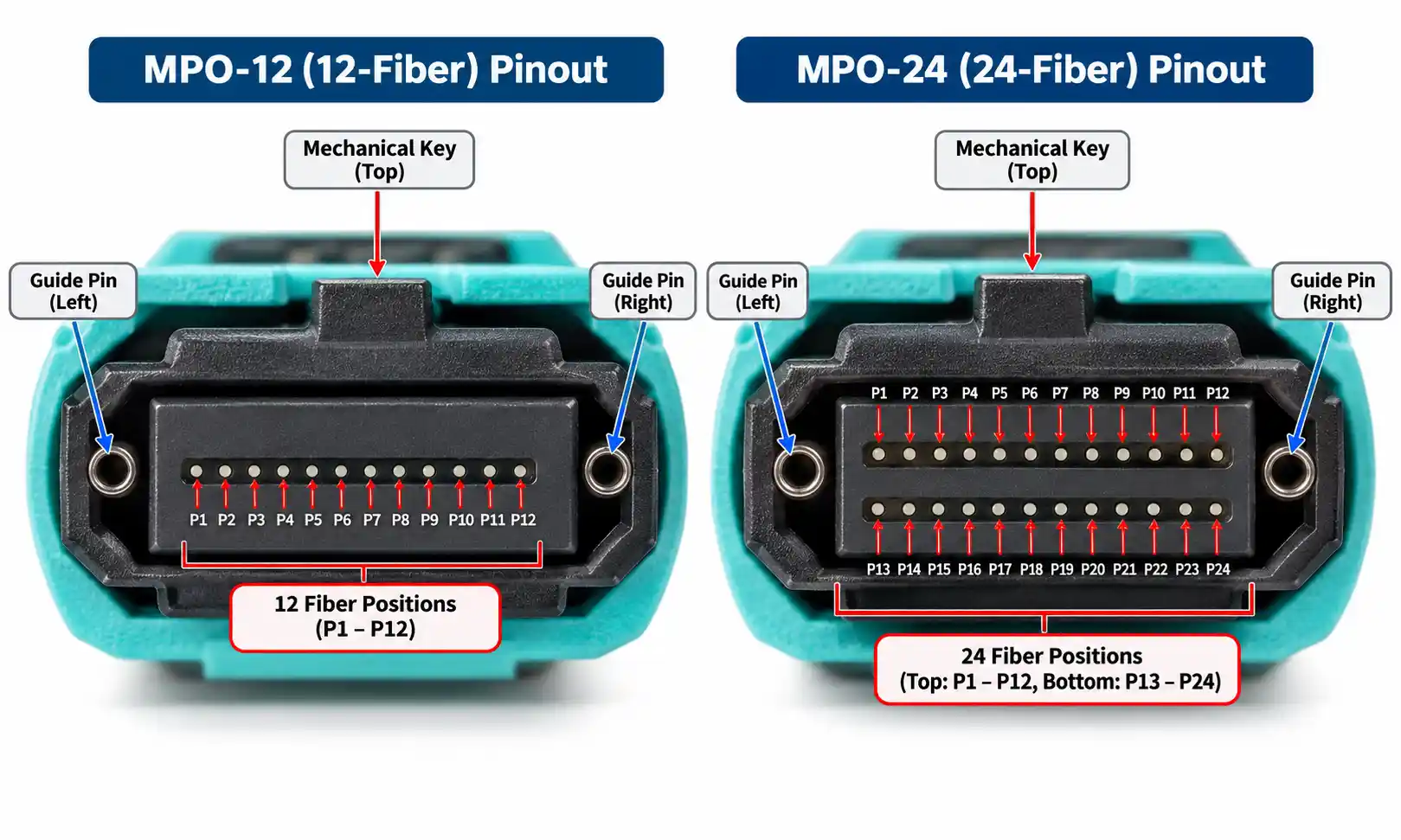
maintains straight-through fiber mapping: Position 1 arrives at Position 1. The trunk cable has one key-up and one key-down connector. This method is designed for structured cabling systems where MPO cassettes or patch panels handle the Tx-Rx flip internally. The trunk stays "dumb"-it simply extends the fiber path without altering polarity. If your design includes cassette modules at distribution points, Method A trunks are the standard specification per TIA-568.3-D Section 5.3.1.
Method B
reverses the entire fiber array: Position 1 arrives at Position 12. Both connectors are key-up. For QSFP+ SR4, QSFP28 SR4, or QSFP-DD DR4 transceivers connecting directly without intermediate cassettes, Method B is the only configuration that aligns Tx lanes with Rx lanes. IEEE 802.3 clause 86 (40GBASE-SR4) and clause 95 (100GBASE-SR4) assume this lane mapping.
One edge case worth flagging: pre-2015 installations from certain manufacturers used non-standard cassette wiring. A Method B trunk in that environment may double-flip the signal and recreate the Tx-to-Tx failure. Before specifying Method B for an upgrade project, request wiring diagrams from your cassette supplier or verify pinouts against TIA documentation.
Method C
flips adjacent fiber pairs: Position 1 to Position 2, Position 3 to Position 4. This was designed for duplex migration scenarios where each pair represents a separate Tx-Rx channel. Method C does not work for parallel optics and rarely appears in new data center specifications. If a supplier offers Type C cables for 100G deployment, treat that as a disqualification signal.
Where Polarity Costs Actually Accumulate
The cable itself is rarely the expensive part. On a typical 100-fiber deployment, cable and connector costs represent roughly one-quarter of total installation expense. Labor, test equipment, and project overhead account for the remaining three-quarters.
Polarity errors attack the labor and overhead categories directly. A single mismatched trunk typically triggers 2–4 hours of fiber-by-fiber tracing with VFL and power meter. Re-orders for custom-length pre-terminated assemblies run 5–15 business days, and most suppliers will not accept returns on cut-to-length product. Every downstream link then requires re-verification-on a 96-fiber spine, that can mean 8–12 additional technician hours depending on your test equipment and documentation state.
For deployments where network availability ties to revenue-colocation go-live dates, GPU cluster commissioning, production line automation-these delays carry direct financial consequences. This is why the procurement specification matters more than the unit cable price.

Field-Changeable Connectors: Real Capability and Hard Limits
MTP PRO connectors from US Conec allow polarity reconfiguration in the field. A technician can flip a key-up connector to key-down using a hand tool, effectively converting a Type A patch cord to Type B in under sixty seconds without exposing fiber ends. For multimode deployments where polarity mistakes typically occur at the patch cord level, this provides genuine insurance value.
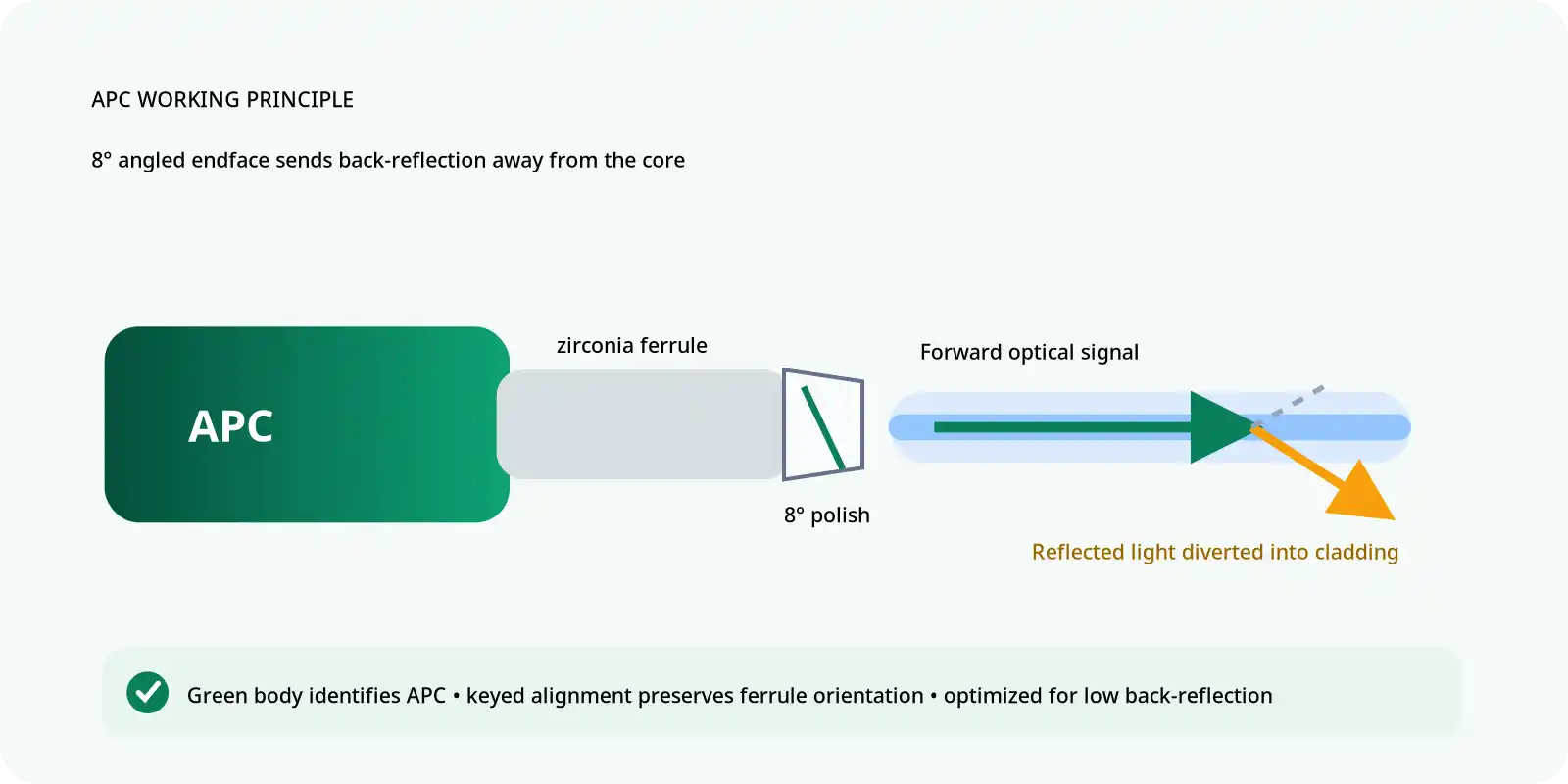
The hard limit that product literature often underemphasizes: field polarity change only works on UPC (flat) polish. Single-mode APC connectors use an 8-degree angled end face to minimize back-reflection. That angle makes physical rotation impossible without destroying the optical interface. For single-mode 400G DR4, 400G FR4, or any long-reach optics, field-changeable polarity is not a recovery option-you must specify correctly at order time.
MTP PRO connectors carry a 15–25% price premium over standard MTP at equivalent quality tiers. The ROI depends on your project's risk profile: if your installation teams have strong documentation discipline and pre-deployment verification processes, standard MTP may be sufficient. If your projects frequently encounter polarity surprises at turn-up, the premium typically pays for itself on the first avoided re-order.
What to Verify Before Issuing a Purchase Order
The MPO connector market is fragmented, and quality variance across suppliers is significant. The lowest quote often correlates with the highest field failure rate.
When evaluating MPO cable suppliers for data center infrastructure, these verification points separate qualified vendors from commodity resellers:
Factory test documentation.
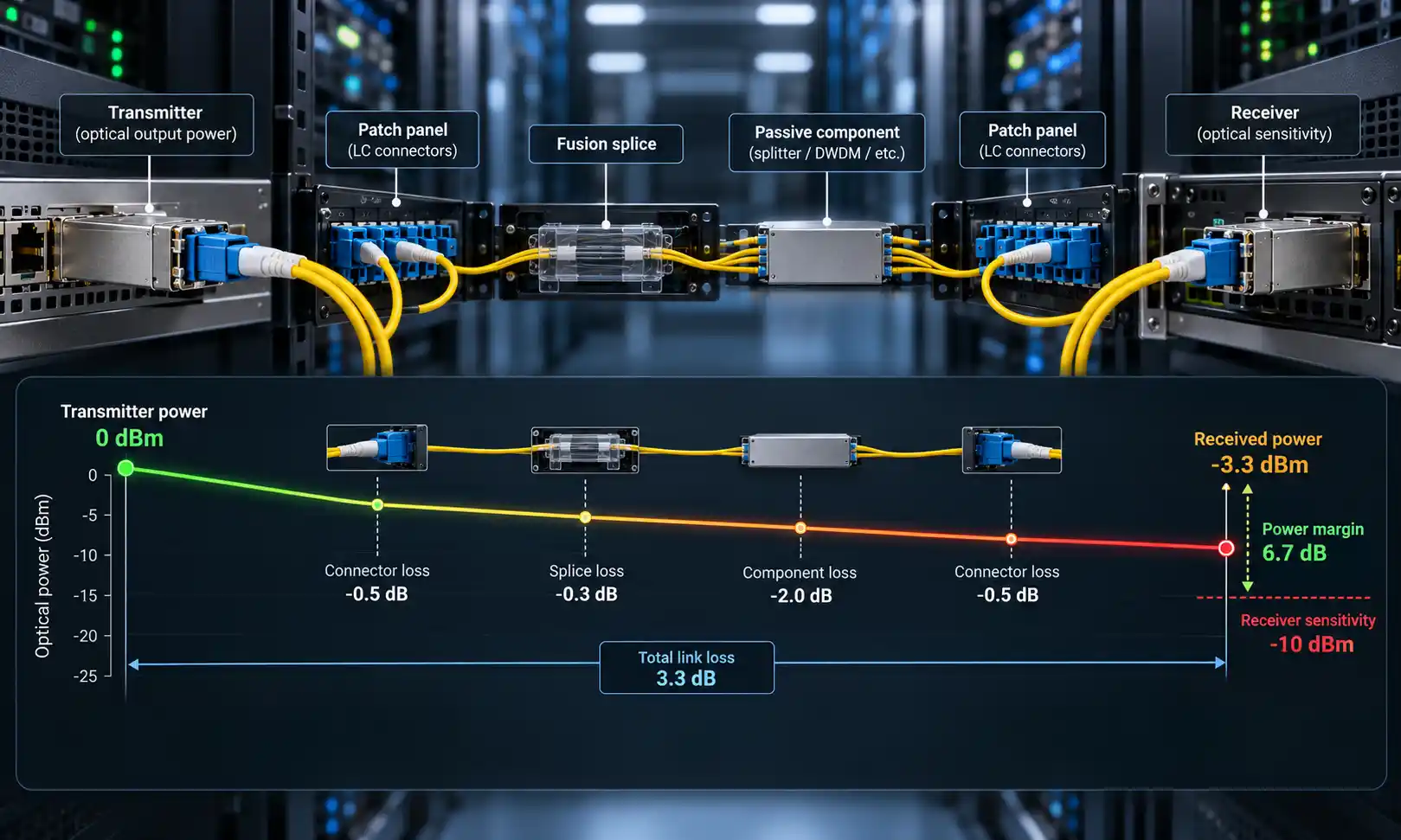
Every pre-terminated assembly should ship with per-fiber insertion loss data, not a generic "tested" label. For 400G links where channel insertion loss budgets fall under 1.5 dB, you need actual IL values to verify link margin. Ask suppliers for sample test reports before qualification.
Connector specification.
Genuine MTP connectors from US Conec have tighter ferrule tolerances than generic MPO. For applications above 100G, low-loss connector grades (MTP Elite or equivalent, typically ≤0.35 dB max IL) are not a premium option-they are a link budget requirement. FOCC is a certified assembler of US Conec MTP® connectors, with MTP brand components fully compliant with IEC 61754-7 and TIA-604-5.
Fiber count flexibility.
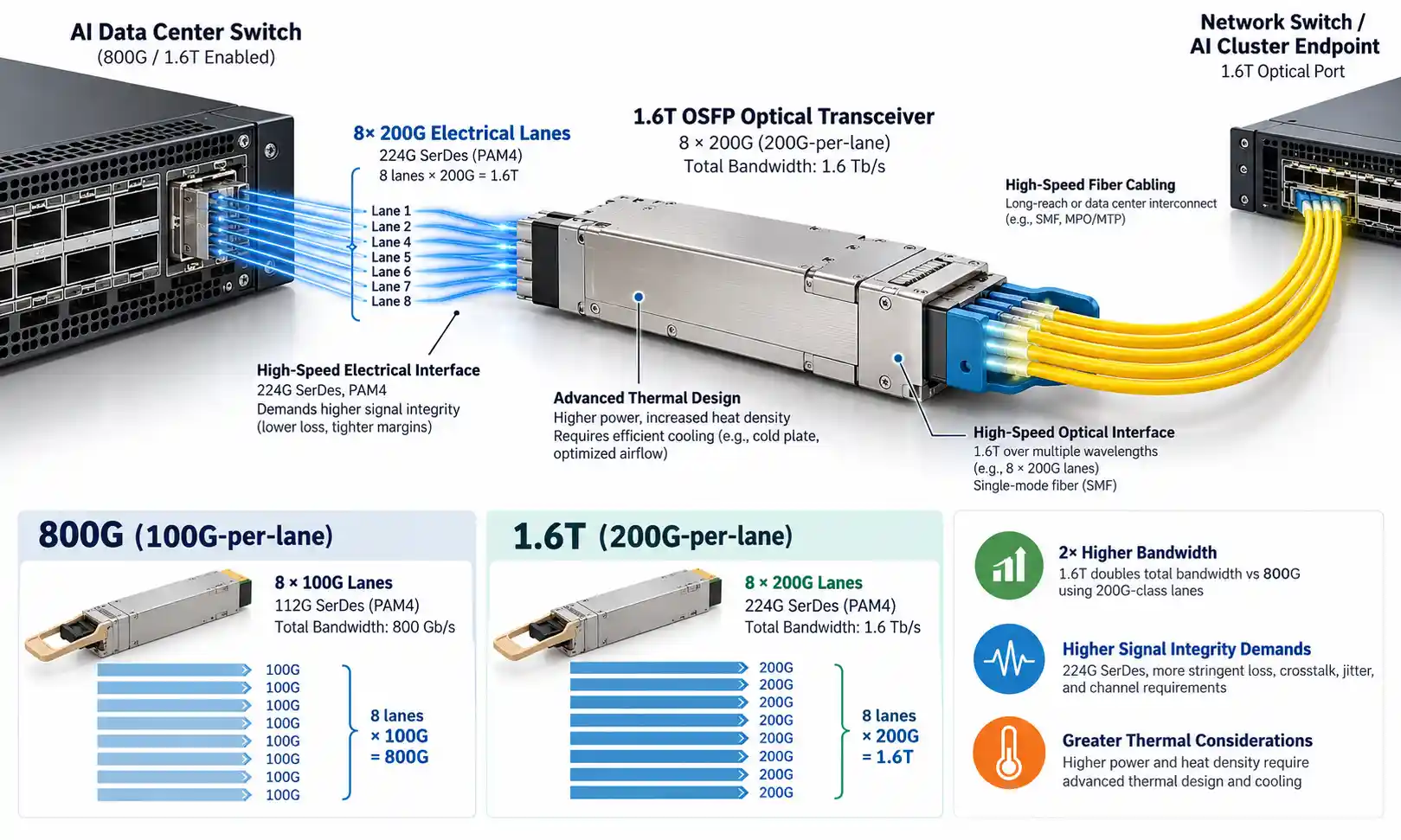
400G SR8 and 800G DR8 require 16-fiber MPO connectors with an offset alignment key that is physically incompatible with 12-fiber adapters. Suppliers who only stock Base-12 inventory cannot support your next upgrade cycle.
Polarity verification process.
How does the supplier confirm polarity type before shipment? Visual inspection of key orientation is insufficient. Optical testing that confirms fiber 1-to-12 mapping is the minimum standard.
Lead time and logistics.
Standard delivery versus expedited matters for project scheduling. FOCC ships within 48 hours for standard configurations, with same-day dispatch available for stocked items.
Quality acceptance criteria.
For orders above 500 pieces, confirm the supplier's AQL standard and whether incoming inspection reports are provided. RoHS and REACH certificates should ship with the order or be available on request without additional lead time.

Specification Language for Technical Procurement
For RFQs and purchase orders involving MPO infrastructure, making requirements explicit in purchase documentation is the most reliable way to prevent polarity errors:
Polarity method: "All MPO trunk cables shall be manufactured to TIA-568.3-D Method B (reversed) polarity unless otherwise specified per line item."
Test requirements: "Supplier shall provide insertion loss test data for each fiber position, measured per IEC 61300-3-4, with results ≤0.35 dB for low-loss grade or ≤0.50 dB for standard grade."
Connector grade: "Connectors shall be MTP brand (US Conec) or equivalent meeting IEC 61754-7 with insertion loss performance verified to specified grade."
Labeling: "Each cable shall be labeled at both ends with polarity type (A/B/C), fiber count, and unique serial number traceable to factory test record."
Request a Specification Review
If your current project involves MPO infrastructure-whether new deployment, speed upgrade, or migration from legacy systems-send your transceiver model numbers and architecture diagram to our applications engineering team. We will verify polarity requirements and confirm cable specifications before you commit to an order.
For bulk requirements above 500 assemblies, FOCC offers custom jacket color coding to simplify installation-phase identification, along with consolidated test documentation packages formatted for data center commissioning records.
Contact: inquiry@focc-fiber.com