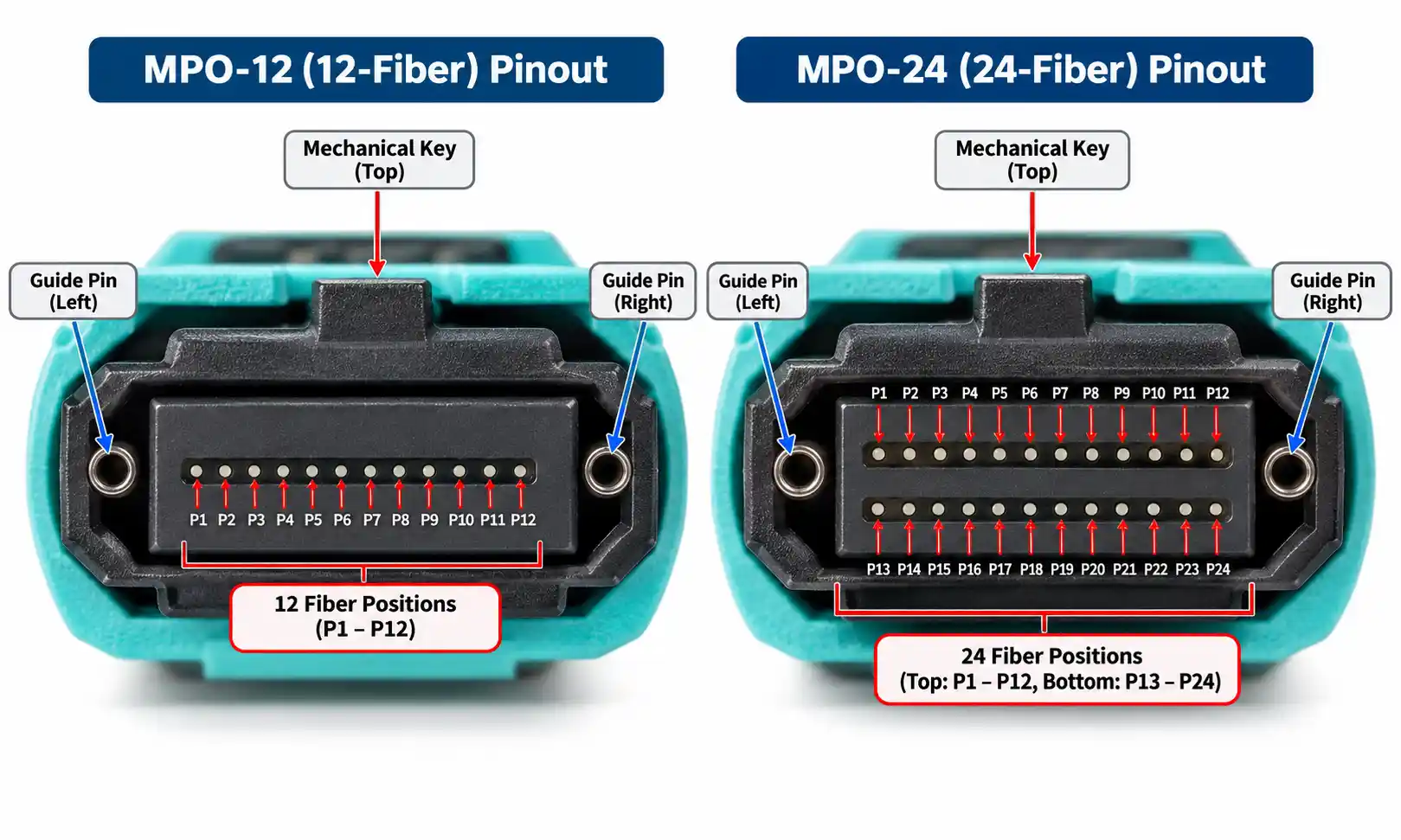
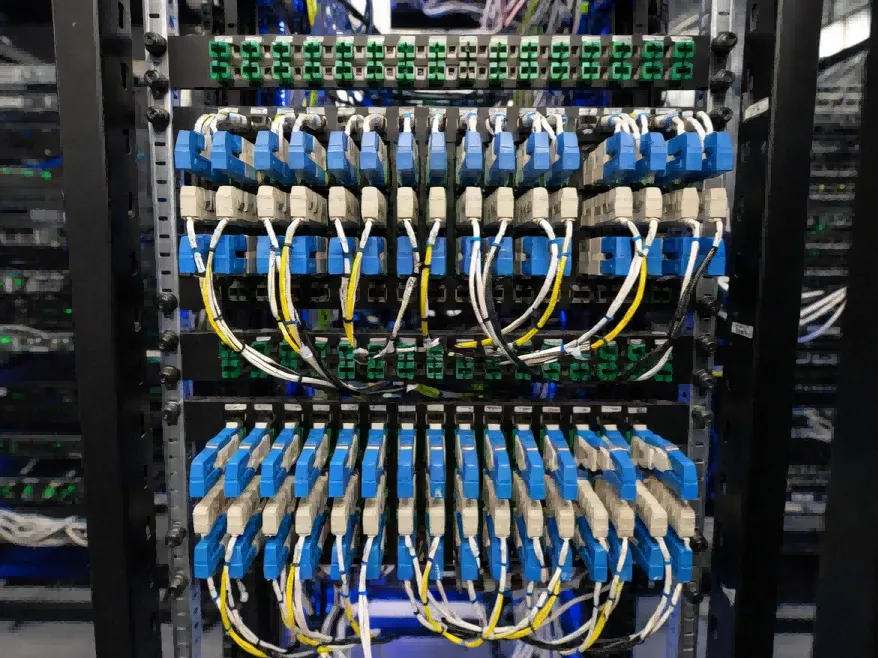
Last March, a cloud provider's data center deployment ground to a halt. Six weeks of delays. The culprit? Their team had spec'd 400G QSFP-DD SR8 optics-which need MPO-16 interfaces-but the facility's patch panels were all MPO-12. Rework costs topped $80,000 before they got back on schedule. Ascent Optics documented it as a case study in how form factor choices ripple through infrastructure in ways nobody anticipated.
We see variations of this at FOCC-Fiber constantly. Different details, same pattern. A Frankfurt data center came to us last year for MPO/MTP pre-terminated cables ahead of their 400G upgrade. Their original spec called for 12-fiber trunks. Our pre-sales review flagged a problem: the switch line cards actually required 16-fiber SR8 connectivity. Caught it before anything shipped. Saved them three weeks and roughly €15,000.
The uncomfortable truth is that QSFP selection gets treated like a checkbox exercise when it should be treated as risk management.
Same Connector Shape, Completely Different Rules
Here's the family tree:
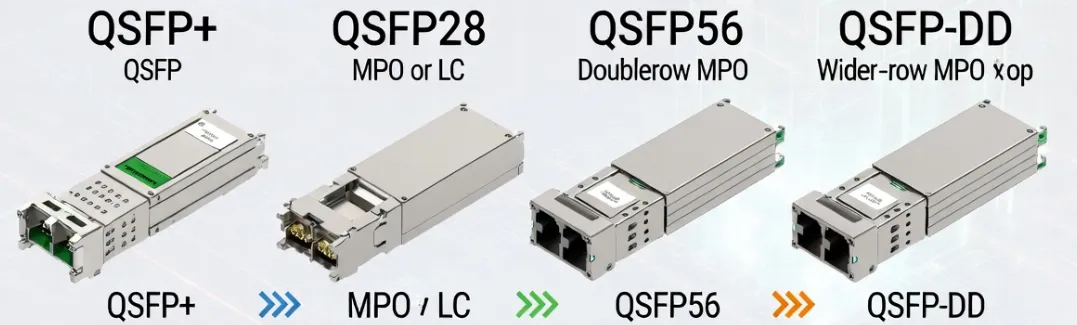
- QSFP+: 40G total, four 10G lanes, NRZ modulation
- QSFP28: 100G total, four 25G lanes, still NRZ
- QSFP56: 200G total, four 50G lanes, switches to PAM4
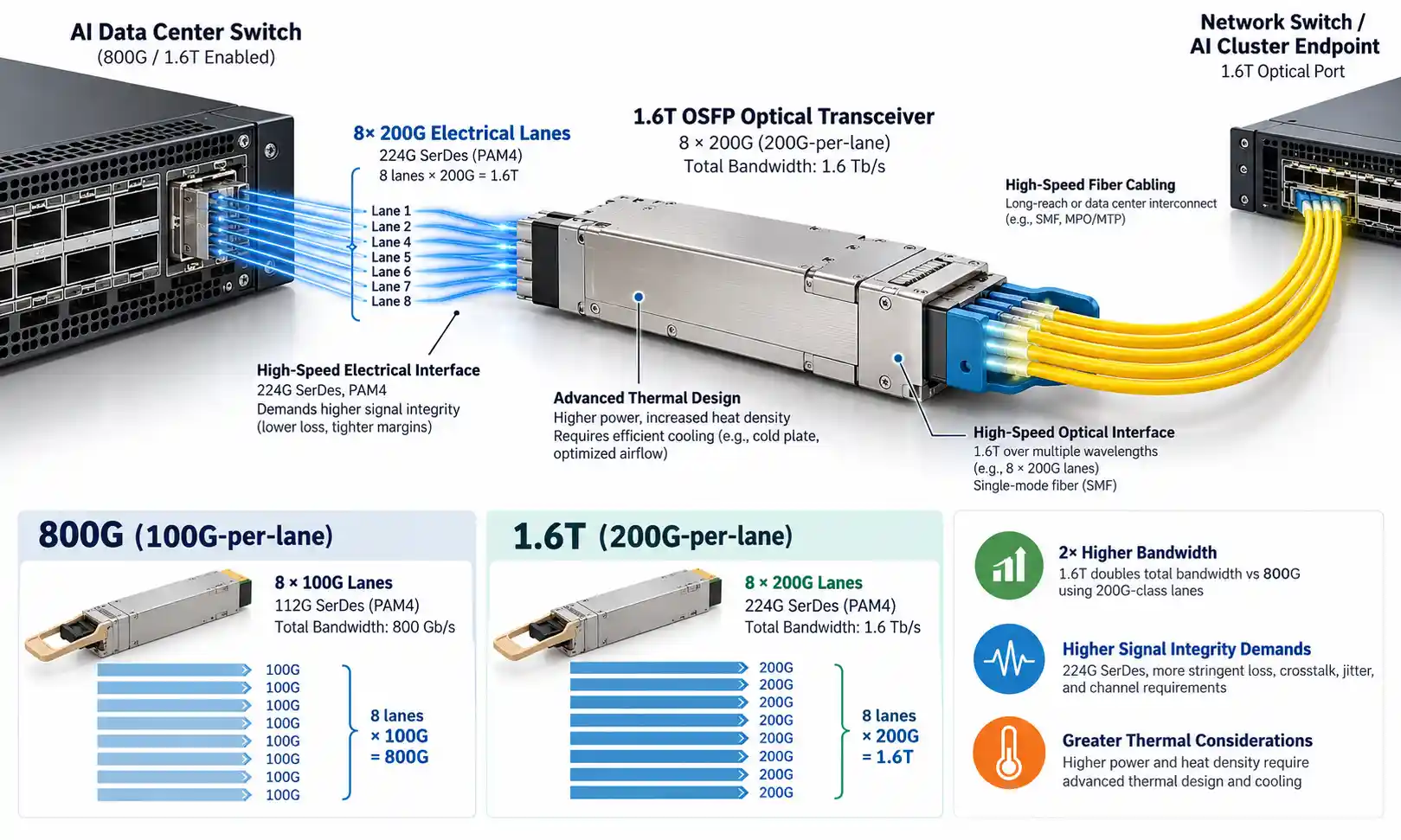
- QSFP-DD: 400G total, eight 50G lanes, PAM4, adds four more lanes while (supposedly) staying backward compatible
That backward compatibility claim needs an asterisk. Yes, a QSFP-DD port will accept a QSFP28 module and happily run at 100G. We've tested this extensively. But try inserting a QSFP56 module into a QSFP+ port and you'll get nothing. The module seats physically. The link LED stays dark. Your switch logs "unsupported transceiver" and offers zero additional explanation.
We've verified this across Mellanox ConnectX-6 and Cisco Nexus gear in our own lab. PAM4 electrical signaling simply doesn't talk to NRZ-only host interfaces. They're speaking different languages at the physical layer.
The 400G Migration Math (It's Not What You'd Expect)
Most people assume going from 100G to 400G means 4x the optics budget. The actual numbers tell a different story.
Industry TCO models put 400G deployments at 35-45% lower total cost of ownership versus equivalent-capacity 100G configurations. But this depends heavily on your existing fiber plant, your switch vendor mix, and whether your cabling infrastructure can absorb the thermal changes. Use it as a benchmark, not a promise.
Where does the savings actually come from?
Port licensing. Cisco and Juniper typically bill per-port regardless of speed. Cut your port count by 75% while maintaining the same aggregate bandwidth, and your licensing costs drop directly.
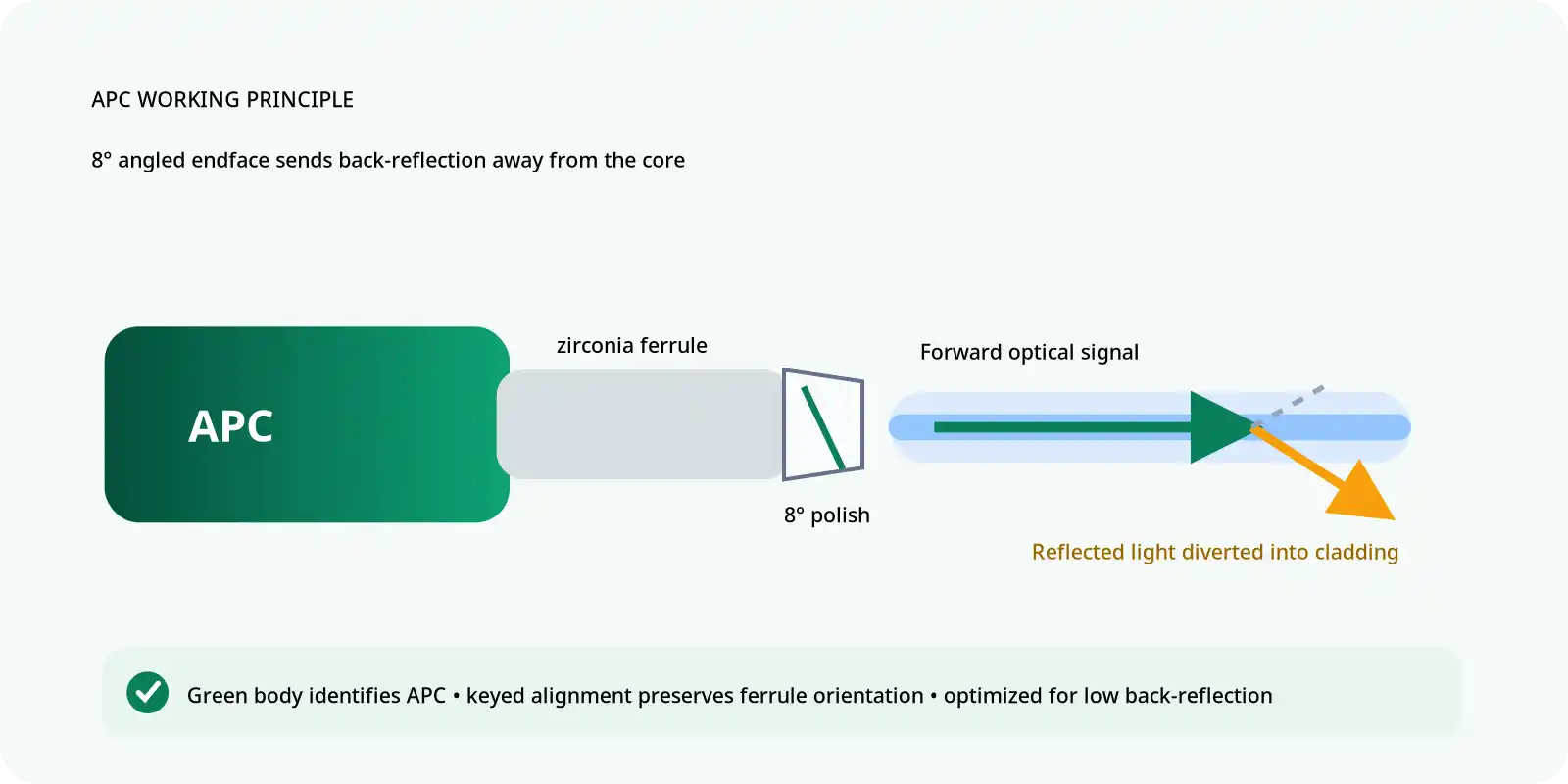
Cabling complexity-with a catch. 400G QSFP-DD DR4 uses standard MPO-12 single-mode connectors. Easy to source, ships fast. SR8 requires MPO-16 with angled polish. That connector type limits your supplier options considerably. From our own fulfillment data: MPO-12 orders ship in 5-7 days. MPO-16 APC orders typically need 10-14 days because inventory across the supply chain runs thinner.
Thermal load is where things get expensive in ways people don't anticipate. A 100G QSFP28 module dissipates 3.5 to 4.5 watts. A 400G QSFP-DD runs 10 to 14 watts per module. Fully populate a 36-port switch and you're adding over 400 watts of heat to a single rack unit.
We tell customers to map their cooling capacity before finalizing high-density 400G orders. Nobody wants to discover mid-deployment that their HVAC can't keep pace. That's a budget problem without a quick solution.
Third-Party Optics: The 40-70% Price Gap
Let's talk about the elephant in the room.
Cisco-branded 100G QSFP28 LR4 modules list around $800. Third-party compatible modules with identical specs? $200 to $300. For 400G QSFP-DD DR4, you're looking at roughly $1,500 OEM versus $400-600 third-party.
Do the third-party modules work? Yes. MSA specifications exist specifically to ensure physical and electrical interoperability. That's the whole point of industry standards.
The actual question is what happens when something fails at 2 AM and you need to escalate.
Different vendors handle "unsupported" transceivers differently:
- Cisco takes the strictest stance-logs warnings, but allows operation after you enable service unsupported-transceiver
- Arista requires a license acknowledgment
- Juniper logs warnings without blocking functionality
- NVIDIA/Mellanox infrastructure generally accepts MSA-compliant modules without complaint
One thing worth knowing if you're in the U.S.: the Magnuson-Moss Warranty Act prohibits manufacturers from voiding equipment warranties solely because you installed third-party components. There are limits to this protection, but it does mean compatible optics can't automatically void your switch warranty.
Our recommendation for wholesale buyers? OEM optics on spine links where support escalation speed is critical. Third-party compatible modules on leaf and access layers, where the 40-70% savings justify slightly more troubleshooting overhead if issues arise.
PAM4 and What It Actually Costs You
PAM4 modulation isn't just a technical spec change. It has real budget implications that didn't exist in your 100G world.
First: PAM4 requires mandatory forward error correction. You need FEC-capable switch ASICs. If your existing hardware doesn't support it, that's a line item.
Second: FEC adds approximately 100 nanoseconds of latency per link. For high-frequency trading or certain real-time industrial control applications, that matters. For general data center workloads? Disappears into noise. You probably won't notice.
Third, and this circles back to cooling: QSFP-DD modules at 400G pull 10-14 watts each. Early 800G modules push 16-20 watts. Heat adds up fast.
NVIDIA's optical module guidance now explicitly recommends OSFP for new AI training clusters specifically because thermal management becomes the limiting factor. OSFP dissipates heat roughly 15°C more effectively than QSFP-DD under equivalent loads. But for enterprise deployments where backward compatibility with existing QSFP infrastructure outweighs thermal headroom concerns, QSFP-DD remains the practical choice.
Evaluating Suppliers
The major players in optical transceivers: Coherent (formerly II-VI, which acquired Finisar), InnoLight, Cisco (including their Acacia Communications acquisition), and Lumentum for coherent optics in long-distance DCI applications.
Third-party compatible suppliers hold a growing market share. When you're evaluating them-us included-here's what to ask for:
- Interoperability test logs against your specific switch models and firmware versions
- DDM diagnostic data
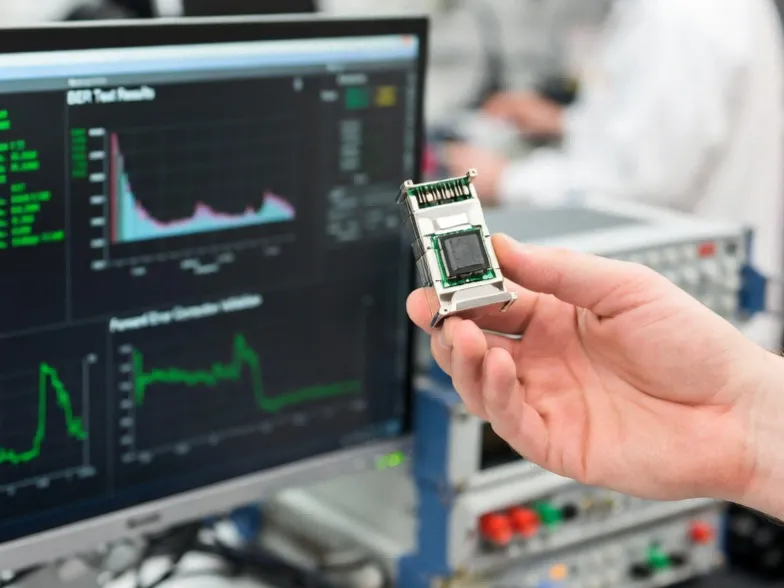
- BER test results
- Thermal cycling documentation
Reputable vendors provide these as standard practice. If a supplier can't produce them, that tells you something.
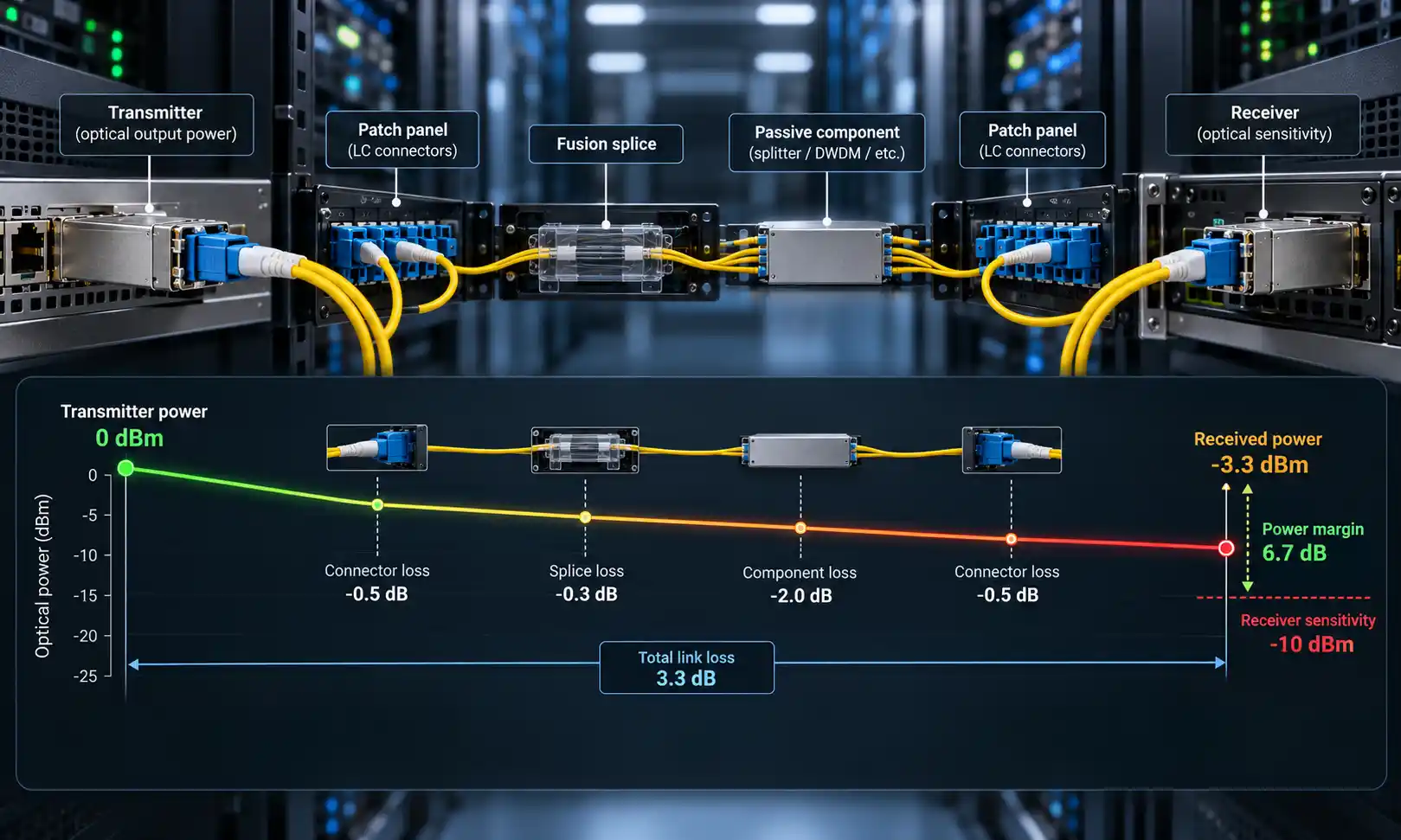
At FOCC-Fiber, every transceiver ships with full test reports: insertion loss ≤0.2 dB, return loss ≥50 dB (UPC), with specific readings per channel. We maintain test coverage across Cisco, Arista, Juniper, and NVIDIA/Mellanox platforms. If you need verification on a platform we haven't documented yet, our engineering team runs the compatibility check and returns results within 48 hours.
Before You Commit to a Large Order
If you're planning a 400G deployment or evaluating an upgrade path from existing 100G infrastructure, it's worth getting a compatibility review before purchase orders go out. We offer sample testing programs so you can validate on your actual equipment, plus 72-hour express production when timelines get tight.
The form factor decision you make now locks in your cabling costs, thermal requirements, and support options for the next several years. Better to get the spec right upfront.
Contact: focc@focc-fiber.com | WhatsApp: +86 138 2323 7984