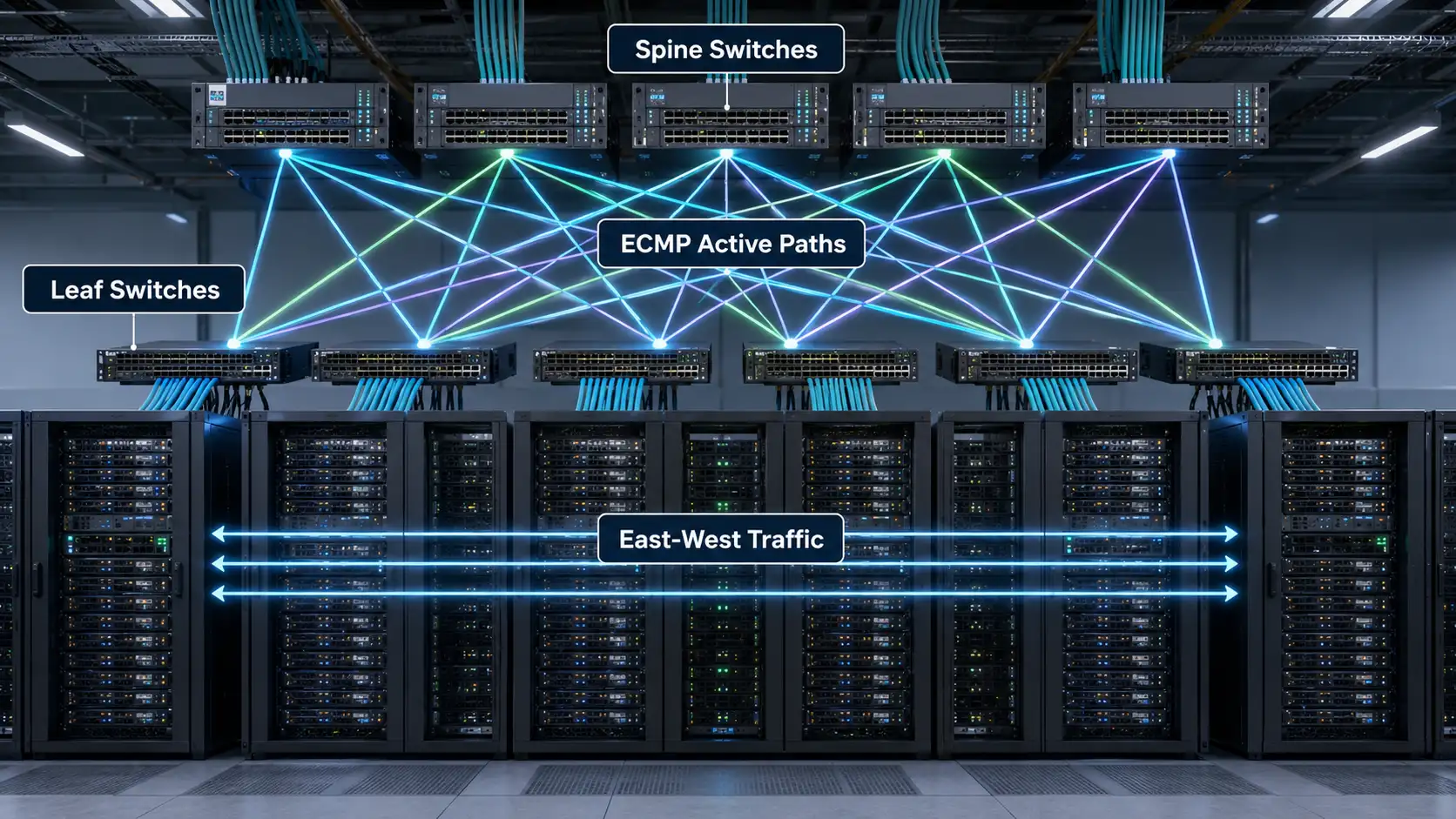
Walk into any hyperscale facility built in the last five years and the cabling infrastructure tells a particular story. Gone are the days when technicians spent hours terminating individual LC or SC connectors on-site-fiber by fiber, splice by splice. Multi-fiber push-on (MPO) connectors have fundamentally altered how we approach high-density interconnects, consolidating what would otherwise be 12, 24, or even 48 separate fiber terminations into a single mating interface. But here's where things get interesting: the answer to whether MPO connectors actually reduce complexity depends entirely on which layer of the infrastructure you're examining.

The Consolidation Argument
From a pure cable management perspective, the math is compelling. A single 24-fiber MPO trunk cable running between patch panels replaces what would traditionally require 12 individual duplex cables. That's fewer pathways congested, improved airflow through cabinet spaces, and-this matters more than people realize-significantly faster moves, adds, and changes during routine operations. Pre-terminated assemblies ship from the factory already tested, which eliminates the field termination variables that plague traditional deployments.
I've watched technicians bring up an entire row of cabinets in an afternoon using MPO-based structured cabling systems. The same deployment with traditional field-terminated fiber would have taken days. For data center operators under pressure to provision capacity quickly-and that's basically everyone now with AI workloads driving unprecedented demand-this installation velocity represents genuine operational advantage.
The density benefits compound as you scale. Consider a 40G SR4 application: it requires four fiber pairs transmitting at 10 Gbps each across an 8-fiber MPO interface. Running eight discrete duplex cables would be absurd from a management standpoint. The multi-fiber connector approach makes parallel optics feasible in ways that simply weren't practical before.
Where Simplicity Gets Complicated
But-and there's always a but in fiber optics-MPO connector systems introduce their own category of headaches that didn't exist in the duplex world.
Polarity management sits at the top of that list. When you're dealing with 12 or 24 fiber positions in a single connector, ensuring that transmit channels at one end correspond correctly to receive channels at the other requires careful planning. The TIA-568 standard defines three polarity methods (A, B, and C) plus two newer universal methods (U1 and U2), and they're mutually incompatible. Mix components from different schemes in the same channel and you'll be troubleshooting connectivity failures that defy obvious diagnosis.
This isn't theoretical. I've seen experienced technicians spend hours chasing phantom problems that turned out to be nothing more than a Type A cassette paired with a Type B trunk cable. The connector mated fine, insertion loss looked acceptable, but half the fibers simply wouldn't pass traffic. Unlike duplex applications where you can just flip the patch cord ends if polarity is wrong, multi-fiber systems demand you get it right from the design phase.

Inspection and Cleaning Realities
Here's something that doesn't get enough attention in the vendor marketing materials: maintaining MPO connectors requires specialized equipment. You can't just grab a standard LC/SC inspection scope and expect to properly evaluate a 12-fiber MPO end face. The geometrical requirements are tighter, the contamination tolerance is lower, and a single dirty fiber in a 24-fiber array can compromise the entire connection.
Cleaning is similarly nuanced. The technique that works perfectly for single-fiber ferrules can actually migrate contamination across fiber positions in an MPO interface. Purpose-built cleaning tools exist, but they add cost and training requirements. This operational overhead partially offsets the installation simplicity that multi-fiber connectors promise.
The inspection challenge becomes acute with higher fiber counts. Examining 48 fiber end faces through a manual scope isn't just tedious-it's error-prone. Automated inspection systems with pass/fail analysis per IEC standards exist, but they represent significant capital investment. Smaller operations often skip proper inspection protocols entirely, which inevitably catches up with them when performance degrades.
The MTP Distinction
Worth noting: not all MPO connectors are created equal. The MTP designation-trademarked by US Conec-indicates a connector manufactured to tolerances tighter than the baseline IEC specification. Things like fiber height differential across the ferrule face matter enormously when you're trying to maintain physical contact across multiple fibers simultaneously. Generic MPO connectors will mate with MTP interfaces, but the insertion loss performance may suffer.
This quality gradient creates procurement complexity. Specifying the right connector grade for your application requires understanding the loss budget for your specific transceivers and distances. A 400G DR4 application with its extremely tight loss margins demands different connector performance than a 10G SR link with headroom to spare.

Testing Requirements
Multi-fiber push-on connector links still need certification, but the testing process differs substantially from traditional duplex methods. Before purpose-built MPO testers with integrated connectors became available, verifying these links meant breaking out each fiber pair using fanout cords, testing individually, and documenting results across all channels. Time-consuming doesn't begin to describe it.
Modern test equipment like the MultiFiber Pro can scan all fibers simultaneously and report insertion loss across the entire array. The efficiency gain is real. But you need that specialized tester-your existing duplex OLTS won't cut it for certifying parallel optic links.
The testing complexity increases further when you factor in polarity verification. A link can pass insertion loss certification while still having incorrect fiber position mapping that will prevent proper transmission. Testing protocols need to capture both parameters.
Application Context Matters
The complexity question ultimately comes down to application context. For duplex backbone consolidation-using MPO trunks to patch panels with LC cassette breakouts-the system genuinely simplifies deployment and management compared to running individual duplex cables. The polarity is handled within the cassettes, the fiber counts are reasonable, and standard duplex testers can verify the end-to-end paths.
For native parallel optic applications (40G/100G/400G SR and DR variants), multi-fiber connectors aren't optional-they're required by the transceiver specifications. In this context, MPO connectors don't reduce complexity so much as enable applications that wouldn't otherwise be feasible. The complexity exists regardless; the connector format makes it manageable.
Where organizations sometimes stumble is assuming that deploying MPO-based infrastructure automatically translates to operational simplicity. Without proper training on polarity schemes, appropriate inspection and cleaning tools, and compatible testing equipment, the multi-fiber approach can actually increase troubleshooting difficulty when problems arise.
Migration Considerations
Data centers rarely deploy greenfield. More commonly, facilities must integrate new high-density cabling with existing duplex infrastructure. MPO-to-LC breakout cables and harnesses bridge this gap, but they add connection points and potential failure modes. Each breakout assembly introduces additional insertion loss and another interface requiring inspection and maintenance.
The transition path from 10G duplex to 40G/100G parallel and back to duplex for server connections creates what amounts to a translation layer in the physical infrastructure. Skilled network architects plan these transitions carefully, but the inherent complexity of mixing connector formats throughout a channel shouldn't be understated.

The Verdict
MPO connectors reduce certain types of complexity-particularly around cable bulk, installation time, and pathway congestion-while introducing different complexity around polarity management, connector quality, and specialized maintenance requirements. The net effect depends heavily on organizational capability.
For organizations with trained staff, proper tools, and systematic approach to structured cabling design, multi-fiber push-on systems deliver genuine efficiency benefits that justify their adoption. The technology has matured substantially since the early days of questionable insertion loss and mechanical reliability concerns.
For organizations expecting to simply swap duplex cables for MPO trunks without adjusting their operational practices, the experience may prove disappointing. The infrastructure will work-eventually-but the troubleshooting journey to get there can be frustrating.
The honest answer: MPO connectors shift complexity rather than eliminating it. They trade field termination labor for factory precision, individual cable runs for consolidated trunks, and simple polarity management for systematic polarity methodology. Whether that tradeoff favors your specific situation depends on factors that generic advice can't address. That said, the trajectory is clear-higher fiber densities and faster transmission speeds make multi-fiber connectivity inevitable for most enterprise and data center applications. Learning to work with these systems effectively isn't optional anymore.