Outdoor and indoor fiber optic connectors differ significantly in several aspects, as detailed below:

Environmental Adaptability
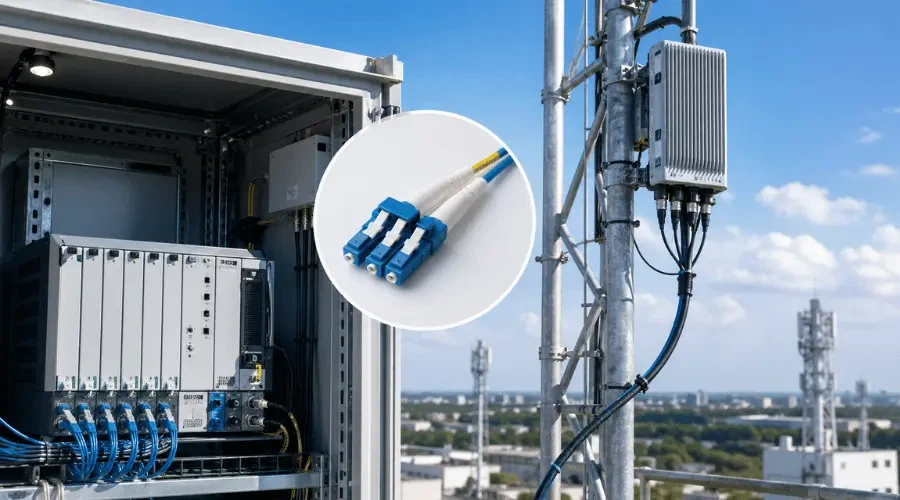
Outdoor fiber optic connectors:Require strong environmental adaptability. Their housings are typically made of high-strength engineering plastics or metal. For example, the YM series industrial-grade fiber optic connectors utilize a fully plastic housing made of SABIC's high-quality outdoor engineering plastics. These connectors offer IP68 waterproofing, high and low temperature resistance (-25°C to +85°C), vibration and shock resistance, and UV resistance. Their excellent sealing properties effectively prevent the intrusion of moisture, dust, and salt, making them suitable for a variety of harsh environments, such as heavy rain, high temperatures, severe cold, and strong winds.
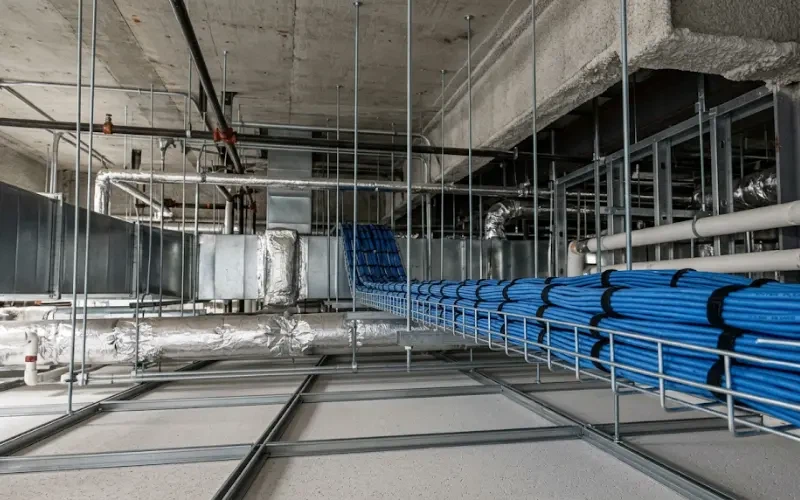
Indoor fiber optic connectors:They primarily consider the typical indoor environment, such as relatively stable temperature and humidity, and the absence of strong UV rays and mechanical shock. Their housings are generally made of low-smoke, halogen-free, flame-retardant materials to meet indoor fire safety requirements. In the event of a fire, these connectors reduce the release of smoke and toxic gases, ensuring personnel safety and equipment operation.
Connection Methods
Outdoor Fiber Optic Connectors: To ensure a secure and reliable connection, fusion splicing or screw-on bayonet-type fastening methods are often used. For example, hot-melt field fiber optic connectors involve stripping the optical cable and pigtail separately, then splicing them together using a fusion splicer. A splice tray is then used to secure the connection. The YM series fiber optic connectors utilize a screw-on bayonet-type connection, which allows for a highly stable connection with a simple rotation.

Indoor Fiber Optic Connectors: Quick connectors or cold splices are commonly used, offering simple and fast operation, meeting the needs of efficient indoor wiring. For example, pre-buried fiber optic quick connectors pre-install a bare fiber into a ceramic ferrule and polish the tip at the factory. On-site operators only need to cut the fiber at the other end and insert it, significantly reducing the need for operator proficiency.
Optical Characteristics
Outdoor fiber optic connectors: They require high optical performance, typically with a low attenuation coefficient and high bandwidth to ensure the quality and stability of optical signals over long distances. For example, in scenarios such as long-distance communications and outdoor base station connections, connectors are required to have an insertion loss of ≤0.3dB and a return loss of ≥50dB.

Indoor fiber optic connectors: While they also require certain optical performance, these requirements are lower than those for outdoor connectors. They primarily focus on meeting the needs of short-distance indoor data transmission and device connections. For example, in local area network environments like offices and homes, insertion loss and return loss are sufficient to meet general communication requirements.
Mechanical Performance
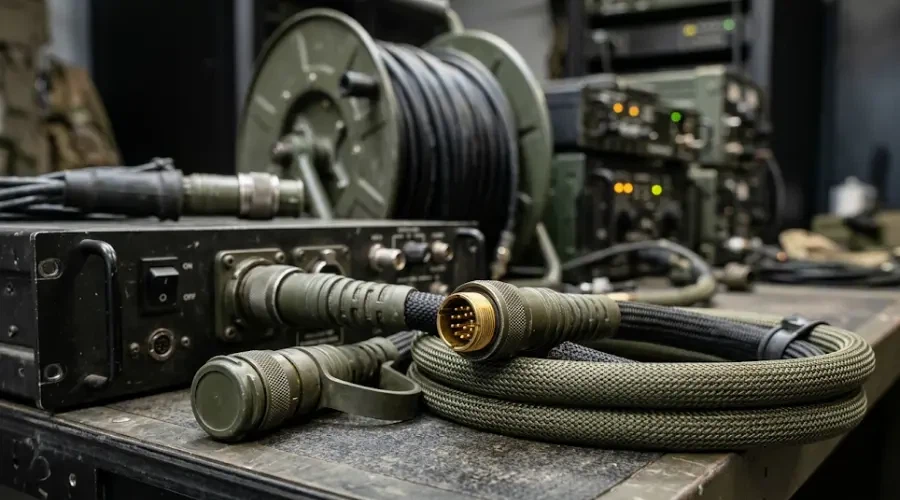
Outdoor Fiber Optic Connectors:They must possess excellent mechanical properties, such as tensile strength, compressive strength, and bending resistance. Because outdoor optical fibers may be subjected to various mechanical forces, such as wind, tension, and compression, connectors must be able to withstand a certain amount of axial tension and lateral pressure to ensure the fiber connection is not affected. For example, the J599 MPO fiber optic connector uses a 316L stainless steel housing, which is vibration-resistant and can withstand the mechanical stresses of harsh environments.
Indoor Fiber Optic Connectors:Mechanical performance requirements are relatively low, but they also need to possess a certain degree of flexibility and bending resistance to withstand the bending and stretching experienced during indoor cabling. For example, the LC connector is compact and uses a modular jack latch mechanism, offering a certain degree of bending resistance, making it suitable for indoor high-density cabling applications with limited space.
Connector Types
Outdoor Fiber Optic Connectors: Common types include FC and SC. FC connectors utilize a metal sleeve and a screw-type fastening mechanism, providing a secure and dust-resistant connection. They are commonly used in outdoor distribution frames, such as those on the ODF side. SC connectors have a rectangular housing and utilize a latching mechanism for fastening. They offer excellent mechanical properties and a high plug-in/out cycle life, making them suitable for outdoor use.

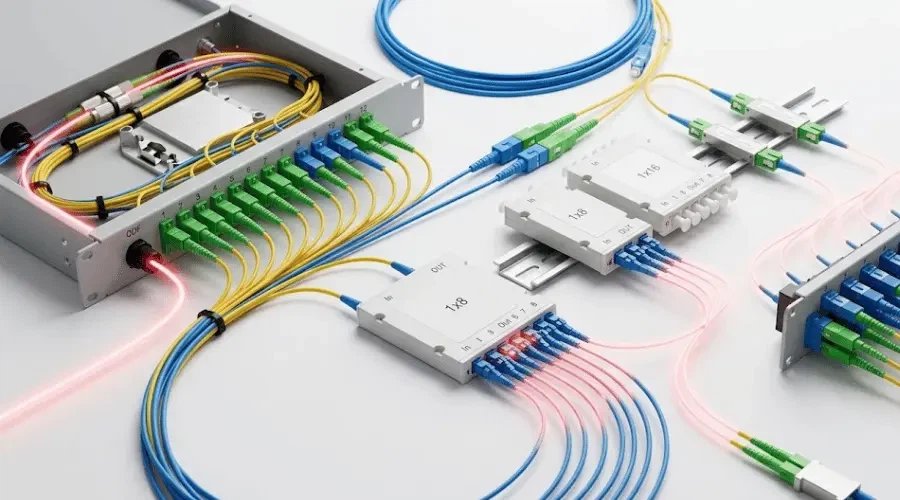
Indoor Fiber Optic Connectors: In addition to the SC type, the LC connector is also commonly used. The LC connector utilizes a convenient modular jack latch mechanism and is compact, making it suitable for high-density cabling, such as in fiber optic distribution frames and some small network equipment.
Cost
Outdoor Fiber Optic Connectors: Due to the stringent requirements for material selection, manufacturing processes, and performance, production costs are relatively high. Furthermore, installation and maintenance of outdoor fiber optic connectors require specialized equipment and technicians, which increases operating costs.
Indoor Fiber Optic Connectors: Production costs are relatively low, and their manufacturing processes and performance requirements are relatively simple. Installation and maintenance are also relatively easy, generally requiring no specialized equipment or complex procedures, resulting in a lower overall cost.