1. Core features of MTP/MPO fiber jumper
MTP/MPO fiber jumper is a high-density multi-core fiber connection solution, and its core advantages are:
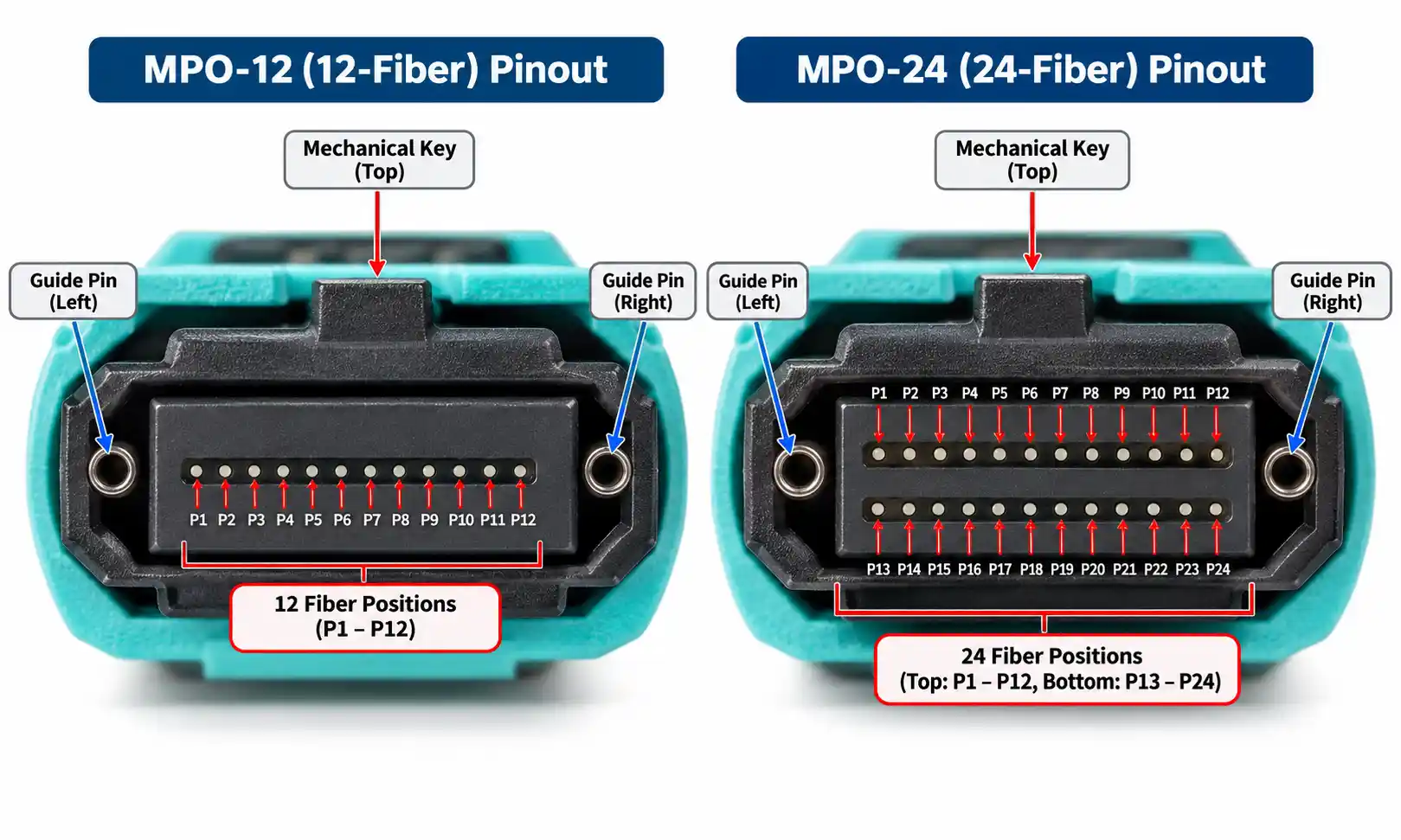
High-density integration: A single connector can accommodate 12 to 144 optical fibers, greatly saving the physical space of data centers and communication networks.
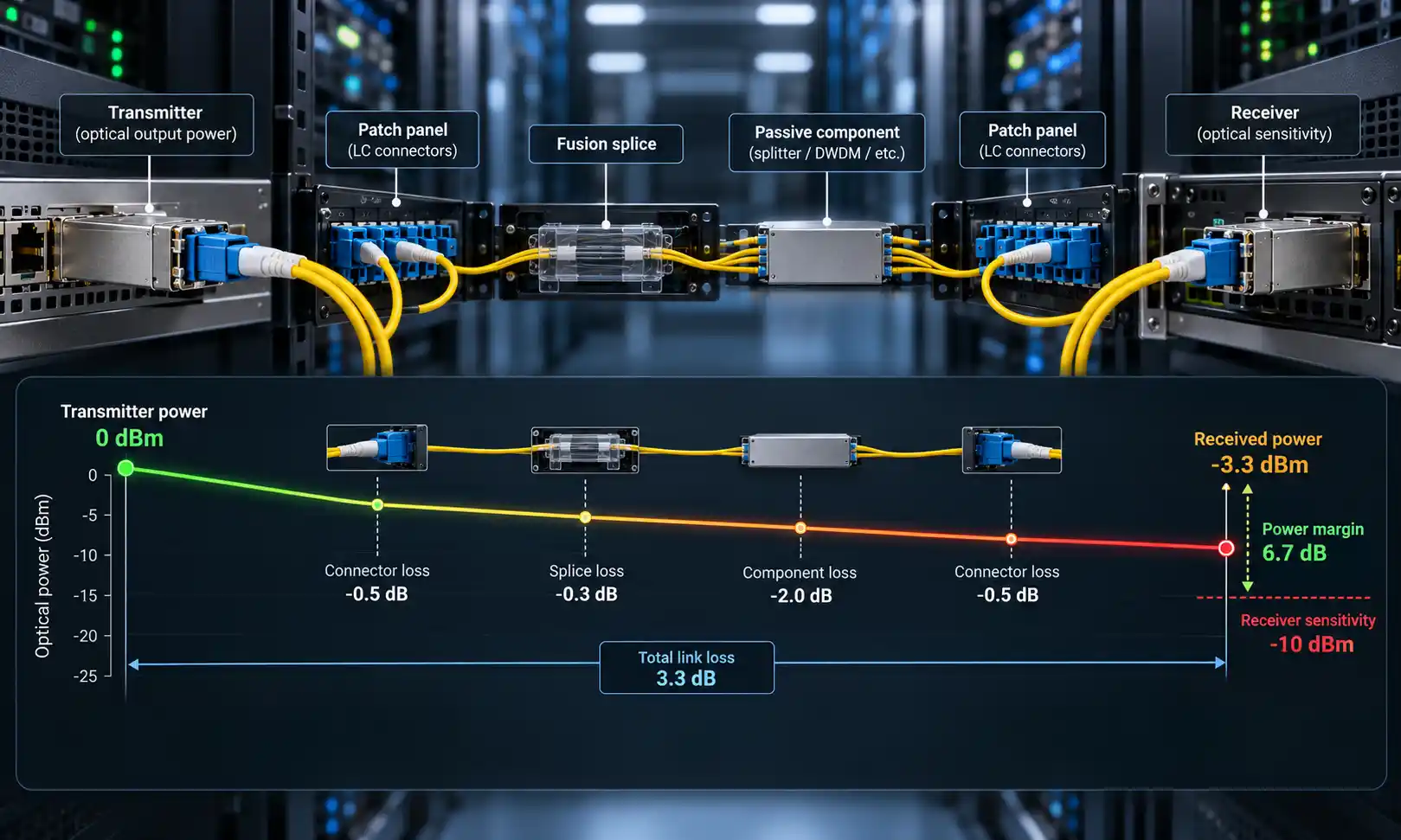
High-speed transmission: Supports 40G/100G/400G or even higher bandwidth, with insertion loss as low as 0.3dB (high-performance version).
Flexibility and compatibility: MTP is an optimized version of MPO, which improves mechanical stability through metal pin clips, floating ferrules and other designs, while maintaining compatibility with general MPO systems.
2. Core application scenarios
Data center
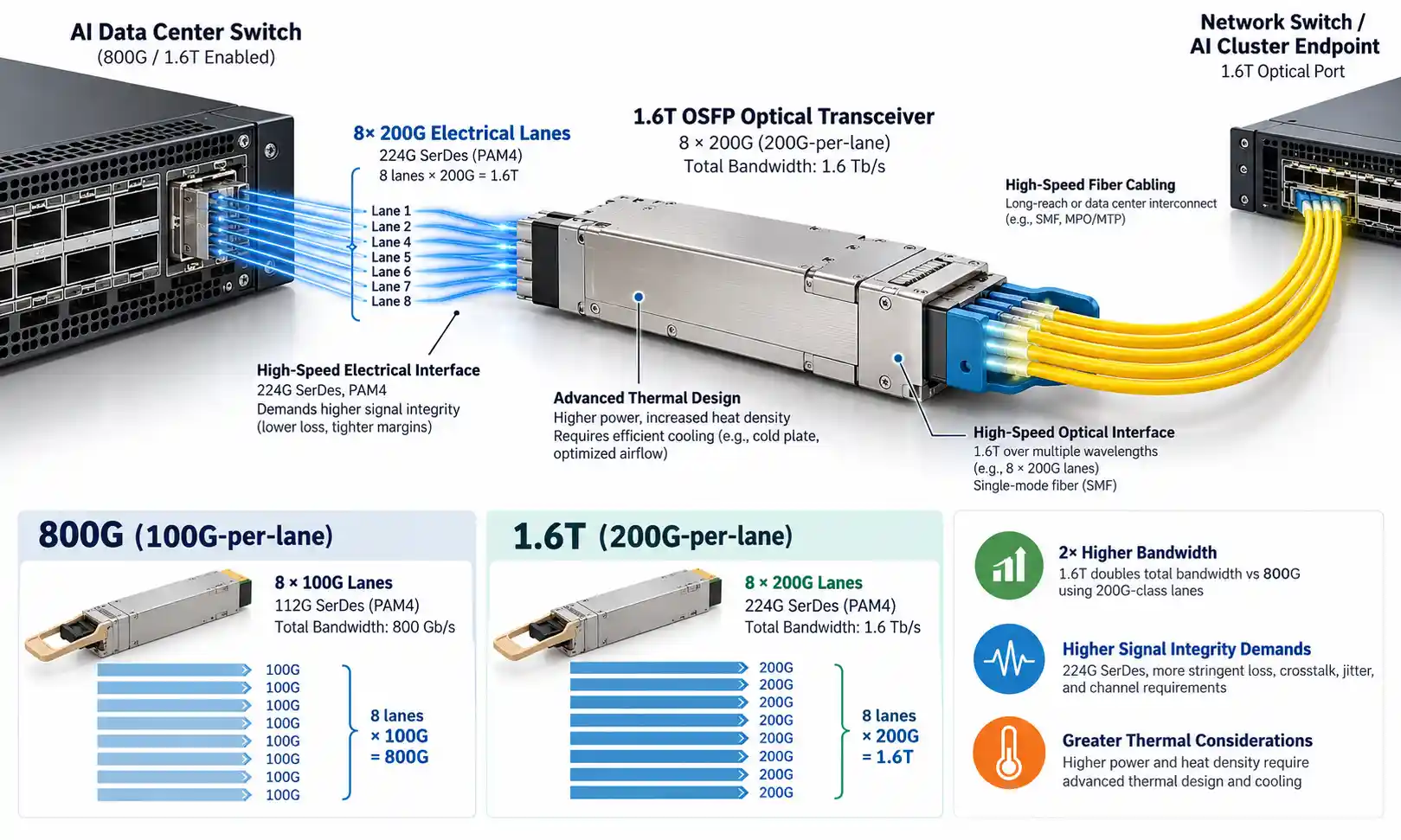
Server and switch interconnection: used for direct connection of 40G/100G optical modules, supporting high-speed data transmission between AI computing clusters and cloud computing nodes.
High-density cabling system: Simplifies deployment through pre-terminated design to meet the needs of modular data centers for rapid expansion.
Case: Google and other leading companies adopt structured cabling solutions, and the proportion of MPO jumpers has further increased with the popularization of OCS (optical circuit switching) technology.
5G and telecommunications networks
Backbone network expansion: optical fiber branching and connection for metropolitan area networks and long-distance communications to increase network transmission capacity.
Base station fronthaul/midhaul: support low-latency connection between CU (centralized unit) and DU (distributed unit), and adapt to the requirements of 5G ultra-high density antenna arrays.
High-performance computing (HPC) and AI
Supercomputing center interconnection: reduce latency through multi-core parallel transmission to meet the huge data exchange requirements of AI training clusters.
Case: The new solution combining hollow-core optical fiber and MPO can further reduce signal loss and adapt to the explosive growth of AI computing power in the future.
Industry and special scenarios
Military and aerospace: vibration resistance and high reliability are suitable for optical fiber communications in extreme environments.
Medical image transmission: support real-time return of high-definition data of CT, MRI and other equipment.
3. Future market trends and technological innovation
Technology evolution direction
Higher density and bandwidth: from 12 cores to 24/48 cores, adapting to the needs of 1.6T optical modules.
Material innovation: Breakthroughs in hollow-core optical fiber technology will reduce transmission losses by more than 30% and extend the transmission distance without relays.
Intelligent management: integrated optical link monitoring chips to achieve automatic fault location and performance optimization.
Market growth drivers
AI computing power demand explosion: global AI data center investment increased by 35% annually, driving a surge in demand for MPO jumpers.
5G-A and 6G deployment: millimeter wave frequency bands will be commercialized after 2026, and the density of optical fiber backhaul networks needs to increase by 3-5 times.
Green energy-saving requirements: MPO pre-terminated solutions reduce on-site splicing energy consumption by 90%, in line with carbon neutrality goals.
Market size forecast
2025: The global MPO connector market will reach US$2.5 billion, of which data centers account for more than 60%.
2030: It is expected to exceed 8 billion US dollars, with a CAGR (compound growth rate) of 22%, and the Asia-Pacific region is the main growth force.
Beneficiary links in the industrial chain
Core component suppliers: high-precision ceramic ferrules, special optical fiber material suppliers (such as US Conec, Corning).
System integrators: companies that provide structured cabling solutions (such as Evercore and Taichen Optoelectronics).
4. Challenges and coping strategies
Technical bottlenecks: The alignment accuracy of multi-core optical fibers needs to be improved to the sub-micron level, relying on breakthroughs in nano-level processing technology.
Standardization lags: It is urgent to unify the MPO/MTP interface protocol to reduce cross-brand compatibility costs.
Cost pressure: Reduce manufacturing costs by 20%-30% through large-scale production and automated testing.
Conclusion
As the "capillaries" in the field of optical communications, MTP/MPO fiber jumpers are being upgraded from traditional connectors to the core hub of intelligent networks. With the implementation of technologies such as AI, metaverse, and autonomous driving, its application scenarios will extend to cutting-edge fields such as quantum communications and aerospace information networks. In the next decade, whoever can master high-density optical fiber integration technology and new material research and development capabilities will be able to occupy the commanding heights in the trillion-dollar global digital economy.