You know, when I first encountered MTP 16 connectors a few years back, I'll admit I was a bit confused. Why would we need another fiber connector type when the 12-fiber MPO was doing just fine? But after working with these in actual deployments, the logic behind them became pretty clear. Let me walk you through where these things actually make sense.

Data Centers Running Out of Space
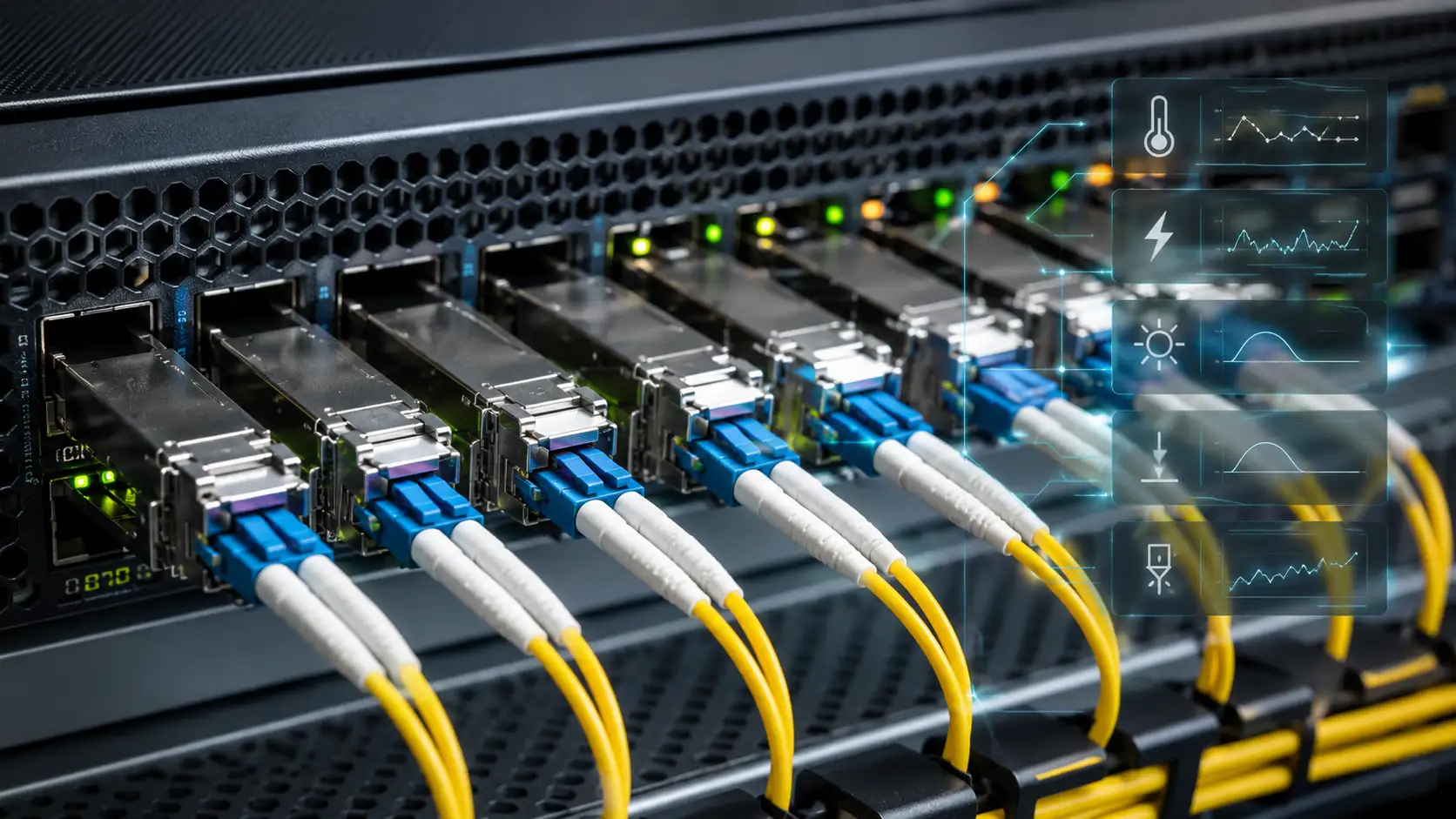
Here's the thing about modern data centers - they're cramped. Not physically necessarily, but when you're trying to squeeze more bandwidth into the same patch panel real estate, every millimeter counts. The MTP 16 connector was basically designed with this problem in mind. It uses the same SC footprint as the traditional 12-fiber connectors, which means you're not ripping out your entire infrastructure. You just swap adapters and suddenly you've got 33% more fiber capacity in the same physical space.
I worked on a project last year where the client was hitting capacity limits on their existing MPO infrastructure. They were looking at either expanding their physical footprint (expensive) or finding a way to densify what they already had. The MTP 16 solved it without them having to knock down walls or lease additional rack space. That offset key design - yeah, it looks weird at first - but it prevents you from accidentally plugging a 12-fiber connector into a 16-fiber port, which would be a nightmare to troubleshoot.
400G and Beyond
If you're deploying 400G networks, you're probably already looking at MTP 16. The math just works better. Traditional 400G deployments using 12-fiber connectors required multiple trunk cables or some creative breakout configurations. With 16 fibers, you can handle 8 transmit and 8 receive lanes much more elegantly. It's cleaner, there's less confusion during installation, and honestly, it just makes more sense from an engineering perspective.
The telecom providers I've talked to are particularly interested in this for 5G backhaul applications. When you need to push that much data and you're already dealing with tight space constraints in cell tower equipment rooms, the density advantage becomes real money saved. Not just on the connectors themselves, but on the entire supporting infrastructure.
Campus Networks with Long-Term Vision
Here's where it gets interesting for enterprise installations. If you're building out a campus fiber backbone today, you might not need 400G everywhere right now. Maybe you're running 100G or even 40G in most places. But if you're thinking more than five years out - and you should be, because nobody wants to re-cable a campus building - the MTP 16 gives you that upgrade path.
I've seen several university installations go this route. They're terminating with MTP 16 in the telecommunications rooms now, even though they're not maxing out the capacity yet. When they need to upgrade switch hardware in 2028 or 2030, the cabling infrastructure is already ready. The MTP Adapter units they installed are compatible with whatever connector generation comes next, assuming the industry sticks with the standardized ferrule design.
Manufacturing and Industrial Facilities
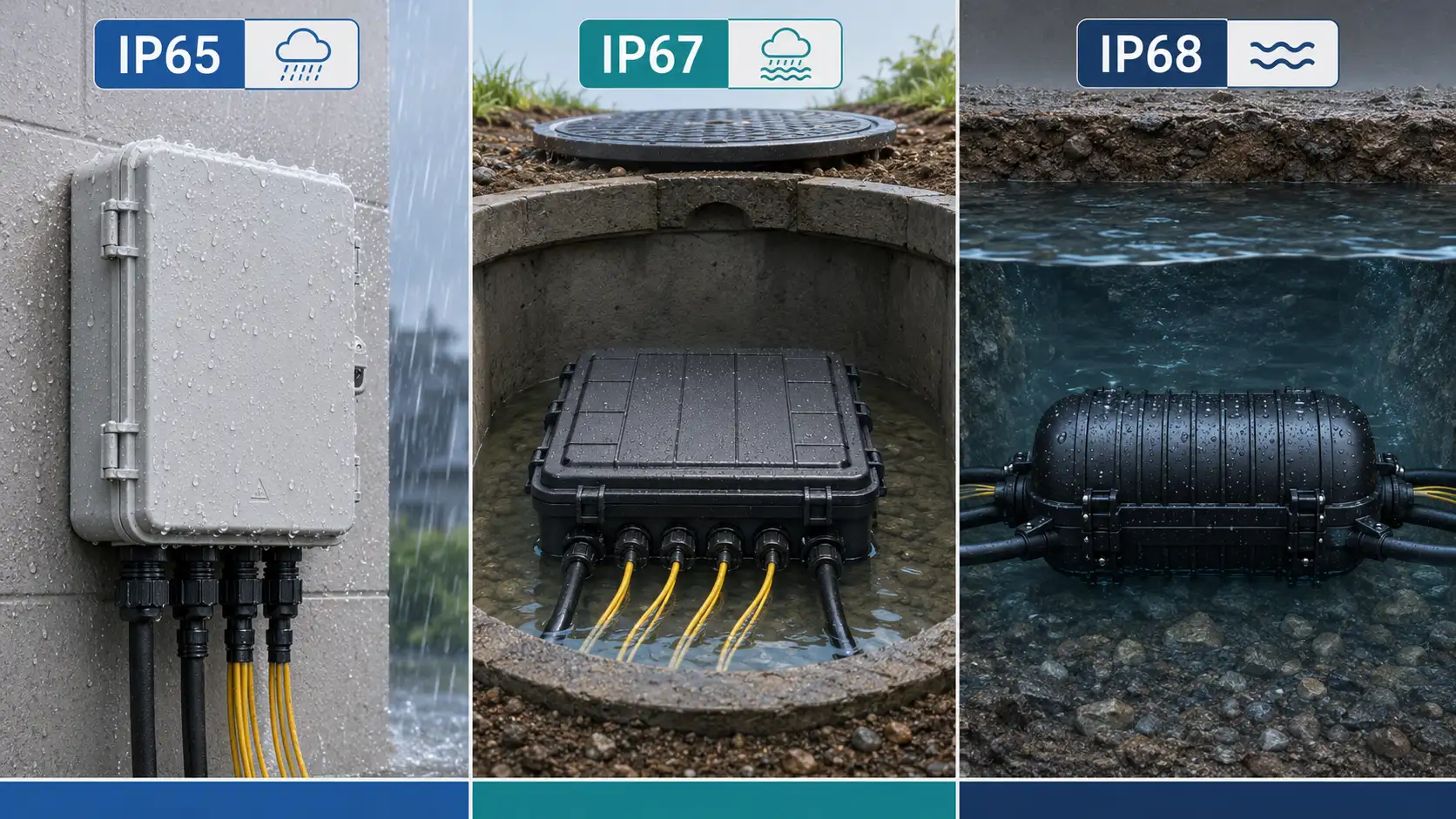
This one surprised me initially, but it makes total sense when you think about it. Industrial environments often need high-reliability connections with minimal maintenance windows. The MTP 16's design - particularly the spring-loaded latch mechanism - provides a really solid mechanical connection. The one-piece coupler design also generates less debris than some older connector types, which matters when you're dealing with environments where you can't have fiber dust floating around near sensitive equipment.
A manufacturing client I worked with uses these for connecting their automated quality control imaging systems. High-bandwidth requirements, zero tolerance for downtime, and the connections need to survive in an environment that's not exactly clean-room conditions. The full flange mounting gives them mechanical stability, and the fact that they're getting more fibers in the same footprint means fewer cable runs to manage.
Hyperscale and Cloud Providers
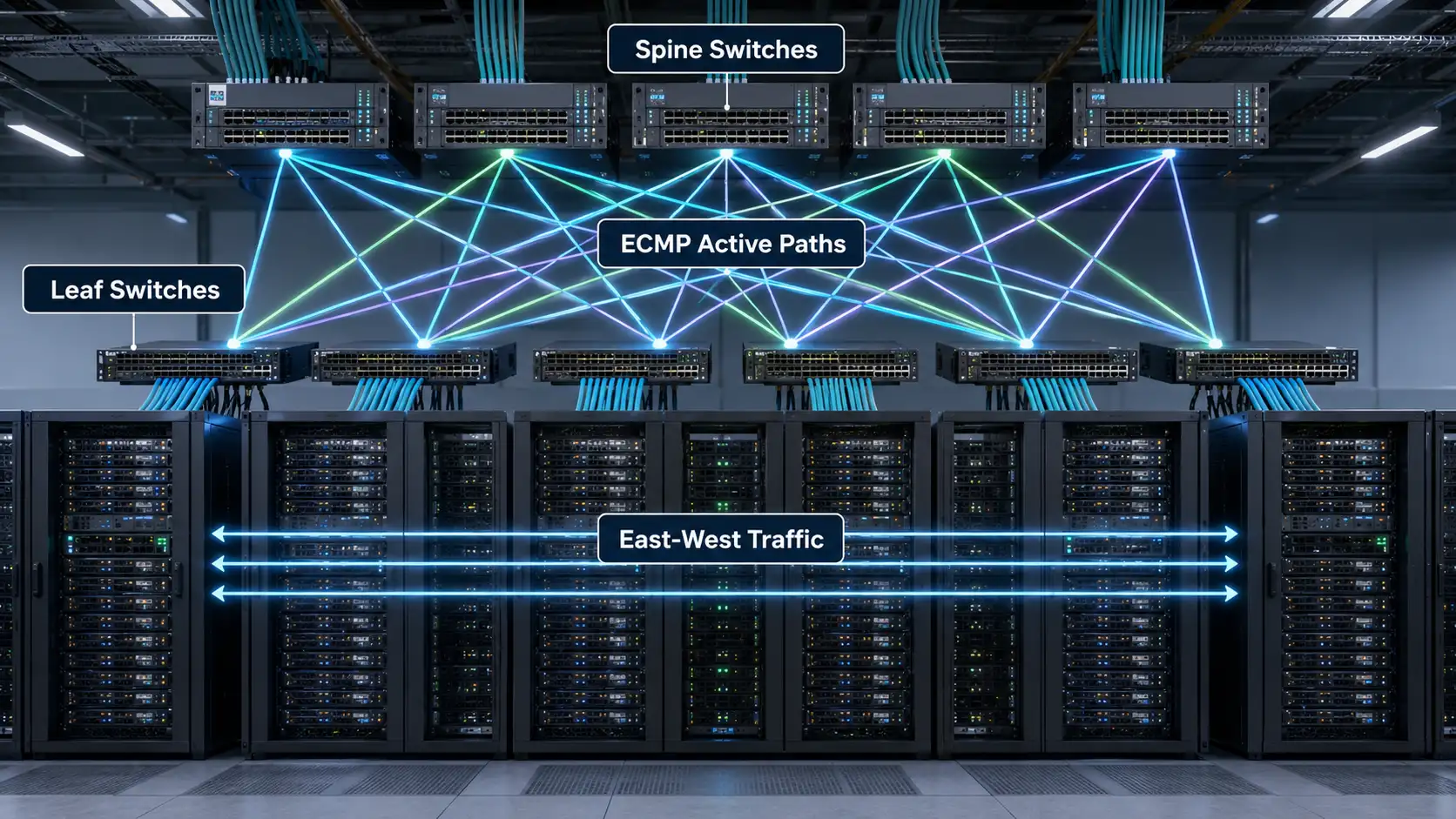
The big cloud providers are already standardizing on MTP 16 for new builds. When you're operating at the scale of hundreds of thousands of fiber connections, even small improvements in density translate to massive cost savings. They're not just saving rack space - they're saving on cable management infrastructure, cooling requirements (less dense cable bundles actually do affect airflow), and labor costs during installation and maintenance.
What's interesting is how they're using the color coding. The MTP 16 adapters come in black, aqua, beige, green, blue, and gray. In large facilities, having that visual differentiation helps techs identify connection types without having to physically inspect every single port. It's one of those small details that becomes significant when you're managing infrastructure at scale.

Medical Imaging and Research Facilities
High-bandwidth medical imaging systems - think advanced MRI machines, CT scanners with AI processing, or digital pathology systems - are increasingly relying on fiber for data transport. The latency and bandwidth requirements are similar to what you'd see in high-frequency trading applications. These facilities need reliable, high-capacity connections, and they often need to transmit data between buildings or to off-site processing centers.
The precision alignment with the guide pins on the MT ferrule becomes particularly important here. We're talking about systems where data integrity isn't just about getting a clean video stream - it's about diagnostic accuracy. The reduced flange versions work well in medical equipment racks where you might be retrofitting fiber connectivity into existing systems.
Future-Proofing Considerations
Look, nobody can predict exactly what network speeds we'll need in 2035. But the IEC 61754-7-3 standardization means that MTP 16 isn't some proprietary solution that might disappear if one manufacturer decides to pivot their product line. The compatibility with both Elite grade and standard grade connectors gives you flexibility in how you deploy them.
One thing I've learned from years of infrastructure work - it's usually cheaper to over-spec slightly during initial installation than to come back and redo everything in five years. The MTP 16 doesn't cost dramatically more than traditional solutions, especially when you factor in the density advantages. For new installations where you have any expectation of needing 400G or higher speeds within the life of the infrastructure, it's worth considering.
Practical Installation Notes
From a hands-on perspective, the installations I've been involved with have been pretty straightforward. The opposed versus aligned key orientations give you flexibility in how you route cables, which matters more than you might think when you're trying to maintain proper bend radius in tight spaces. The dust caps that come with the couplers actually stay on properly - I know that sounds like a small thing, but anyone who's dealt with dust caps that fall off constantly knows what I mean.
The compatibility across fiber counts from 4 to 72 fibers is also useful for hybrid deployments. You might have some runs that only need 16 fibers, others that need 32, and a few backbone trunks running 72. Using the same connector family across all of them simplifies your spare parts inventory and training requirements.
Bottom Line
So where should you use MTP 16? Anywhere you're dealing with high bandwidth requirements, space constraints, or long-term infrastructure planning. The technology is mature enough now that you're not taking a risk on an unproven standard, but early enough in the adoption curve that you're positioning yourself ahead of the inevitable migration.
Is it necessary for every application? No. If you're doing a small office installation that'll never exceed 10G, traditional solutions are perfectly fine. But for data centers, campus networks, industrial applications, or anywhere you need density and future capacity, the MTP 16 deserves serious consideration. It's one of those infrastructure decisions that your future self will thank you for making.