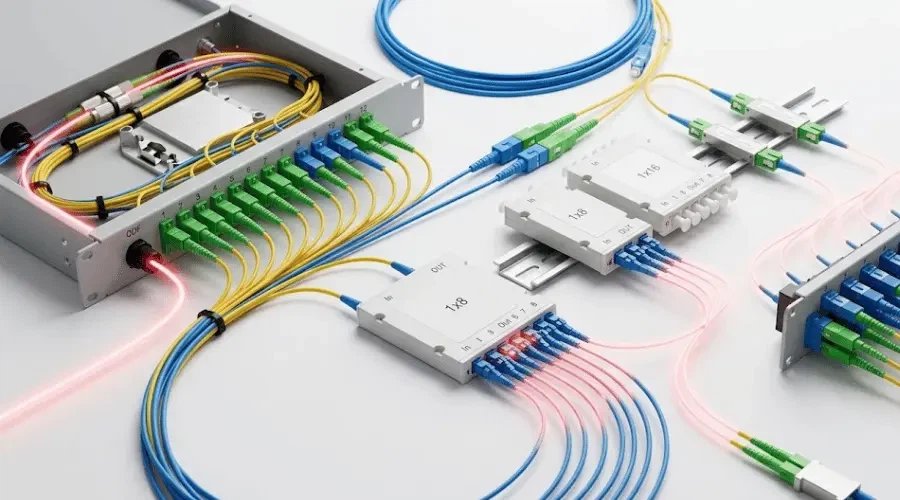
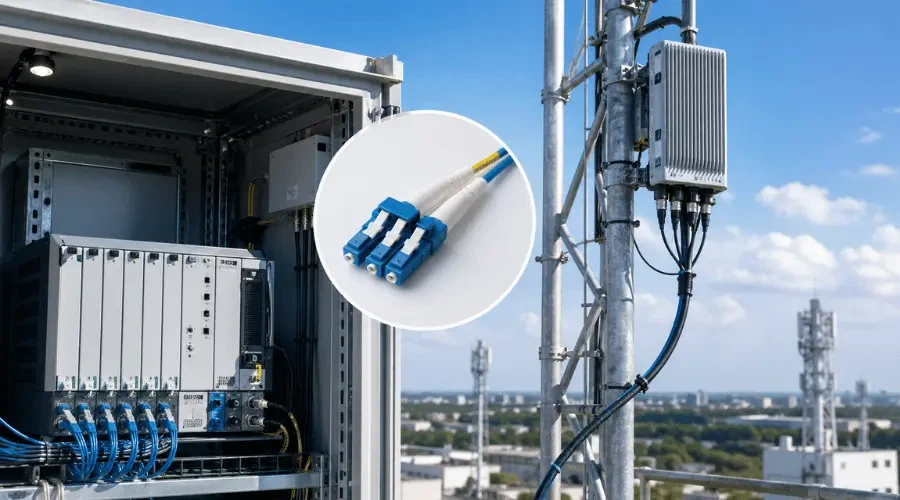
In the fast-paced digital world of 2025, optical communication stands as the backbone of global connectivity. From high-speed internet to seamless international video calls, this technology enables the rapid transmission of massive data volumes using light signals. If you're searching for "what is optical communication" or "advantages of fiber optics," this guide covers everything from basics to advanced concepts, helping you understand how optical networks power modern life. Whether you're a student, engineer, or tech enthusiast, dive into the essentials of optical communication systems, their benefits, and future trends.
What is Optical Communication?
Optical communication, often referred to as fiber optic communication, is a cutting-edge technology that transmits information using light as the medium. Unlike traditional electrical communication, which relies on copper wires and electrical signals, optical systems convert data into light pulses that travel through thin glass fibers at incredible speeds.
This method has revolutionized telecommunications by allowing for faster, more reliable data transfer. Key terms like "light signal transmission" and "optical fiber networks" are central here, as they highlight how light's properties-such as its immunity to electromagnetic interference-make it superior for long-distance communication.

The Basic Structure of Optical Communication Systems
At its core, an optical communication system consists of three primary components:
Transmitter: This device converts electrical signals (binary "0s" and "1s" from devices like computers or smartphones) into optical signals using lasers or LEDs.
Optical Fiber: The transmission medium, a slender strand of glass or plastic that guides light signals with minimal loss. It's the "highway" for data, capable of carrying signals over hundreds of kilometers.
Receiver: At the destination, this converts the light back into electrical signals for processing.
This simple yet efficient structure forms the foundation of fiber optic networks, ensuring data integrity and speed in applications ranging from home Wi-Fi to undersea cables.
Key Advantages of Optical Communication Over Electrical Systems
Why choose optical communication? Its benefits make it indispensable in today's data-driven society. Here are the top three advantages:
Long Transmission Distances with Energy Efficiency Optical signals can travel over 100 kilometers without needing amplification, compared to electrical signals that require boosts every 100 meters for 10Gbps data. This reduces equipment needs, cutting costs and energy use. For instance, international communications via submarine fiber optic cables eliminate the delays once common with satellite relays, providing seamless global connectivity.
High-Capacity Data Transmission A single optical fiber can handle up to 1Tbps (1 trillion bits per second), dwarfing electrical communication's 10Gbps limit. This allows simultaneous streaming of movies, news, and more for millions of users without bottlenecks.
Superior Speed and Reliability Free from electrical noise that plagues copper-based systems, optical communication delivers faster, error-free transmission. This is crucial for real-time applications like online gaming or video conferencing.
These advantages position optical communication as the go-to solution for handling exploding data demands in 5G, IoT, and beyond.

Where is Optical Communication Used? Real-World Applications
Optical communication isn't just theoretical-it's embedded in everyday technology:
Internet and Mobile Networks: From your smartphone to global data centers, fiber optics connect devices to local base stations and international networks via undersea cables.
Connected Devices: Smart homes, autonomous vehicles, and medical equipment rely on optical networks for reliable data exchange, enhancing convenience and safety.
Global Infrastructure: Submarine cables link continents, supporting everything from e-commerce to remote work.
As communication volumes surge-with annual increases from mobile usage, video streaming, and virtual reality-optical technology ensures scalability. Transmission capacity is measured in bps (bits per second), evolving to meet demands like 100Gbps per wavelength.
Essential Devices in Optical Communication: The Role of Optical Transmission Equipment
Optical transmission devices are the "brains" behind the network, managing signal flow at key points:
Signal Conversion: Electrical to optical (and vice versa) for transmission and reception.
Multiplexing and Demultiplexing: Combining multiple signals into one for efficiency, then separating them at the end.
Relaying and Routing: Amplifying weakened signals and directing them via optical switches.
These components ensure long-distance, high-volume data flow, with innovations like error correction maintaining signal quality.
Current and Future Communication Methods in Optical Systems
Understanding optical communication methods is key to appreciating its evolution. Think of it as cars (data packets) on lanes (wavelengths):
Current Methods (10Gbps to 40Gbps per Wavelength)
Time Division Multiplexing (TDM): Shares a single "lane" by timing data bursts, but can cause congestion.
Wavelength Division Multiplexing (WDM): Uses multiple wavelengths as parallel lanes for simultaneous transmissions.
Multi-Level Modulation (e.g., DQPSK): Packs more data per signal by varying light waveforms, doubling capacity.
Future Trends (100Gbps and Beyond)
Polarization Multiplexing: Exploits light's vertical and horizontal vibrations to transmit twice the data without interference. This could transmit a 4.7GB DVD in just 0.4 seconds, paving the way for ultra-high-speed networks.
Scientific Principles Behind Optical Communication: Fun Facts and Fundamentals
Ever wondered why the sky is blue or sunsets are red? These phenomena tie into optical principles:
Light Scattering: Short-wavelength blue light scatters in the atmosphere, making the sky blue, while long-wavelength red light travels farther, coloring sunsets.
Optical communication leverages longer wavelengths (1.3 or 1.55 micrometers in infrared) to minimize scattering in fibers, enabling efficient long-distance transmission.
What is Wavelength?
Wavelength is the distance between wave crests in light, sound, or radio waves. It determines color (shorter for blue, longer for red) and is crucial in selecting optimal light for fiber optics.
Conclusion: The Future of Optical Communication in a Connected World
Optical communication is more than a technology-it's the enabler of our hyper-connected era. From its basic structure and advantages to advanced devices and methods, understanding fiber optics reveals how it supports everything from daily internet use to global economies. As data needs grow, innovations in optical networks will continue to drive progress. For more insights on "fiber optic technology trends" or "optical communication basics," explore our related articles. Stay connected-literally!