Data Center Cabling Best Practices: Year-End Review
Why We're Ditching Coax for FTTA
Let me be blunt: it's not because FTTA is fancy. It's because coax can't handle 5G. Physics won't allow it.
7/8-inch coax at 2.1GHz loses about 4.5dB per 100 meters-acceptable. But push it to 3.5GHz for n78 band and you're looking at 6.8dB. On a 60-meter tower, you're bleeding out 40%+ of your signal before it even leaves the antenna. No amount of optimization fixes thermodynamics.
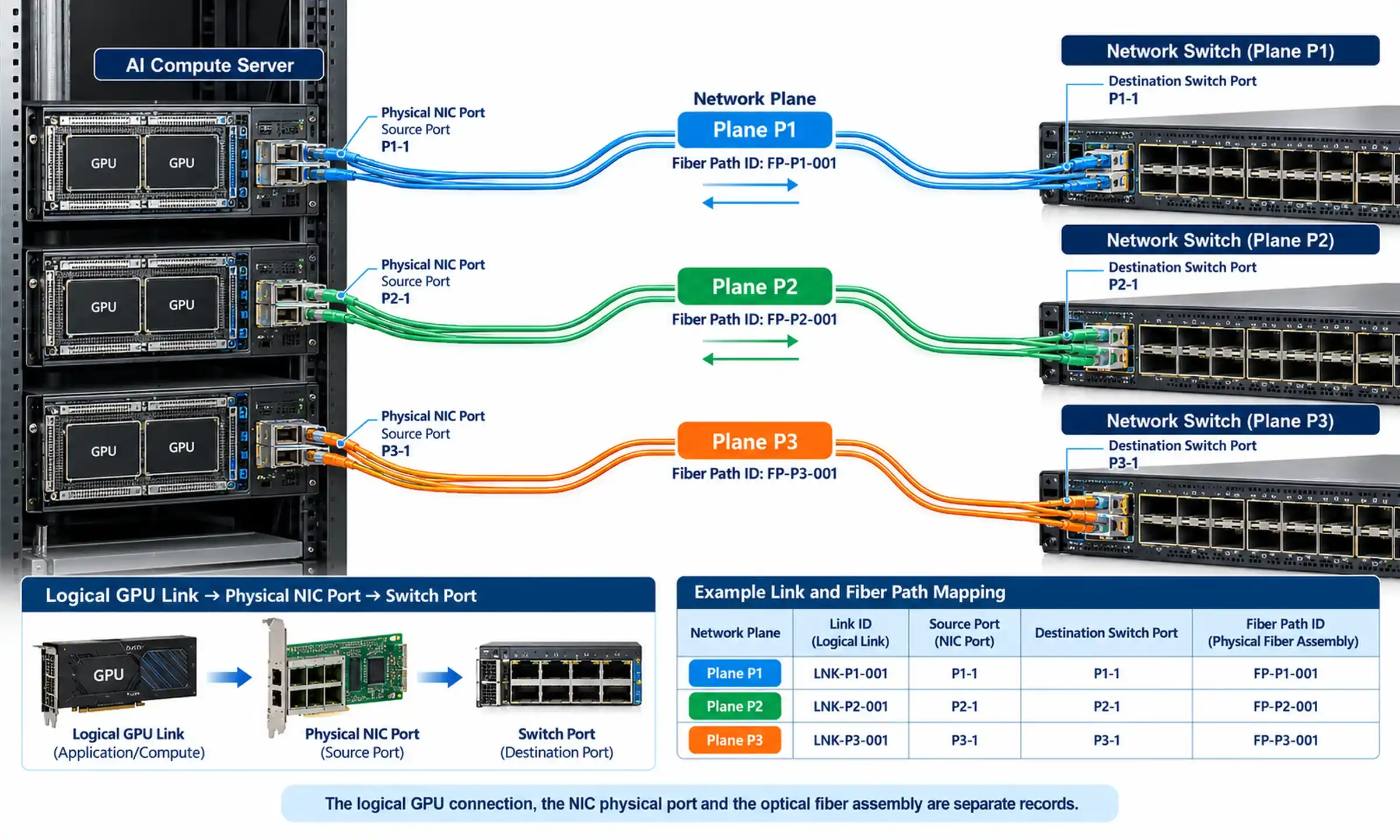
FTTA moves the RF conversion point to the tower top. BBU stays in the shelter, RRH mounts next to the antenna, fiber runs between them. Single-mode fiber at 1310nm attenuates around 0.35dB per kilometer-that's the unit. A 20km fiber run loses less than a 60-meter coax feed.

| Parameter | FTTA | Coax Feeder |
|---|---|---|
| 60m tower loss | <0.5dB | 4-7dB depending on frequency |
| Max practical distance | 20km easy | 100-150m and you're pushing it |
| Cable weight per km | 20-50kg | 50-100kg |
| TMA required | No | Almost always |
| mmWave viable | Native support | Forget it |
Here's a number vendors won't put in their datasheets: we tracked O&M data across Malaysian sites for three years. FTTA sites generated roughly half the annual trouble tickets compared to legacy coax (46.7% fewer, to be exact, but that's only 18 months of tracking-long-term performance TBD). The reduction came from eliminating two failure modes entirely: feeder connector oxidation and TMA failures. Neither exists in FTTA architecture.
Fronthaul Protocols: Here Be Dragons
The BBU-RRH link doesn't run standard Ethernet. It runs specialized protocols, and this is where things get messy.
CPRI dominated 4G. It carries time-domain IQ samples directly-simple concept, brutal bandwidth requirements. A 20MHz LTE cell with 2x2 MIMO eats about 2.5Gbps. Scale that to 5G NR with 100MHz bandwidth and 64T64R Massive MIMO, and CPRI just... breaks. The math doesn't work.
eCPRI fixes this by pushing some PHY processing to the RRU side and transmitting frequency-domain data instead. The CPRI Cooperation (cpri.info) claims 10x bandwidth efficiency gains. Real-world gains depend on your functional split option, but yes, it's a massive improvement.
Interface specs currently in production:
| CPRI Option | Line Rate | Description |
|---|---|---|
| Option 7 | 9.834 Gbps | Multi-carrier LTE |
| Option 10 | 24.33 Gbps | Paper spec – I've never seen this deployed. Ever. |
| eCPRI/10G E | 10 Gbps | Entry-level 5G NR |
| eCPRI/25G | 25 Gbps | Current mainstream |
| eCPRI/100G | 100 Gbps | Massive MIMO, mmWave |
Real talk: Option 10 is a theoretical ceiling. Every project I've touched uses eCPRI now. Vendors stopped pushing CPRI years ago.
Interoperability Warning
But eCPRI has a massive gotcha: multi-vendor interoperability is a disaster. We ran a Huawei BBU + Ericsson RRU combo in Jakarta in 2023. IEEE 1588 PTP timing sync kept failing intermittently. Integration took 3x longer than single-vendor deployments, and we ultimately needed vendor engineers on-site hand-tuning parameters to make it work.
Our current strategy is simple: avoid mixed-vendor fronthaul. O-RAN Alliance keeps promising interoperability. We'll believe it when we see it actually work in the field.
Fiber planning recommendation: even if you're deploying 4G only today, spec your trunk cables with minimum 8 cores of G.652.D single-mode. This gives you headroom for eCPRI upgrades without recabling. Don't cheap out here.
Cable Selection: Where to Spend, Where to Save
Trunk Cables
Outdoor tower applications require single-mode. Two ITU-T standards dominate:
G.652.D: Baseline spec. Works fine for standard routing.
G.657.A1/A2: Bend-tolerant. A1 handles 15mm minimum bend radius, A2 goes down to 10mm. Supposed to cost 15-20% more than G.652.D. Here's what actually happens when you try to buy it:
Supplier A quotes G.657.A2 at 28% premium over their G.652.D (not the 15-20% the datasheets claim)
Supplier B insists their G.652.D "also has bend tolerance" but can't produce third-party certification
Your engineering team says "doesn't matter, we won't bend it that tight in the field"
Finance looks at the budget and asks "are you sure you need to spend an extra $80K?"
What I actually do: G.657.A2 for trunk cables (about 5% of total cable budget), G.652.D for jumpers (about 35% of budget). Put the savings into preventive maintenance reserves. Is this the right call? Ask me in three years.
Jacket materials:
- LSZH: Regulatory requirement for indoor/outdoor transition points in most markets
- UV-stabilized PE: Non-negotiable for exposed outdoor runs in tropical or desert climates
- Armored gel-filled: Direct burial or rodent-prone areas
I need to tell you about the UAE disaster. Dubai project, 2021. Procurement went with local supplier Al-Fiber's PE jacket to save 15% (PO# UAE-2021-447). Eighteen months later, jackets were cracking. Coastal salt fog plus direct sun exposure-standard PE couldn't handle it. Replacement cost $127K, which was 1.8x the original cable budget.
That incident forced us to rewrite our global procurement standards. UV testing is now mandatory, full stop. I don't care how much the supplier complains about testing costs.

Connector Compatibility-Read This Carefully
Connector mismatch is the single biggest procurement headache in FTTA. Bar none.
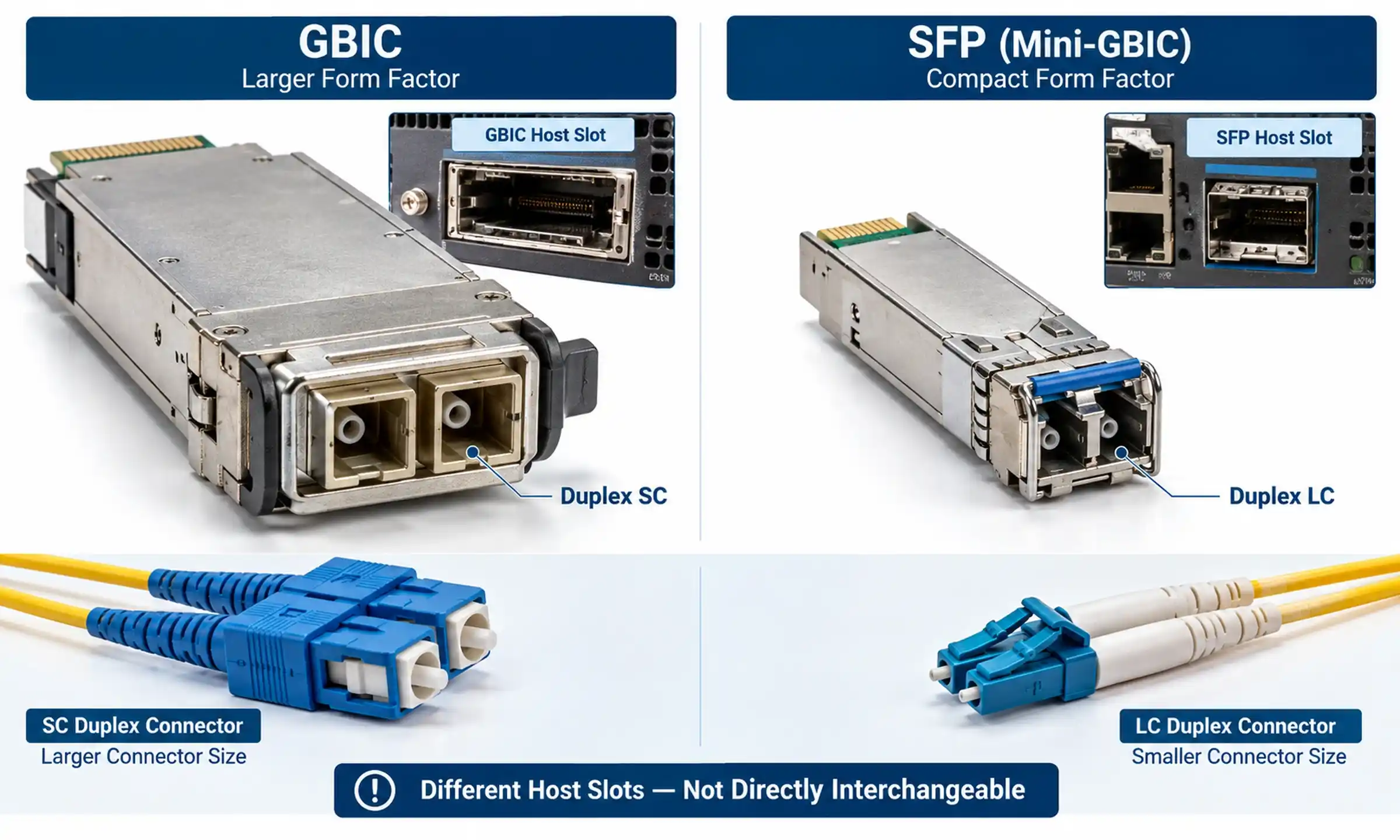
BBU and RRU SFP ports are LC duplex. That's standardized. The problem is outdoor weatherproofing-every equipment vendor uses a different protective housing design, and they are not interchangeable.
| Connector | IP Rating | Primary Compatibility | Actual Problems | Unit Price (USD) | Lead Time |
|---|---|---|---|---|---|
| ODVA | IP67 | Generic multi-vendor | Adapter loosening; some units degrade to ~IP54 after 6 months | $12-18 | 2 weeks |
| PDLC | IP67 | Ericsson primary; Nokia needs adapter | Ericsson OEM $45, compatible units $15 but quality varies wildly | $15-45 | OEM 6 weeks / compatible 2 weeks |
| NSN Boot | IP65-68 | Nokia proprietary | Nokia OEM only-no qualified alternatives exist | $38 | 8-10 weeks |
| FullAXS | IP67 | CommScope ecosystem | Also used in some Ericsson projects | $22-28 | 3-4 weeks |
| Q-ODC | IP68+ | Harsh environment specialty | Expensive, long lead times | $35-50 | 4-6 weeks |
The Indonesia story. 2022. Procurement specialist saw "LC outdoor connector" on the BOM and placed the order. Nobody verified that Nokia RRUs use the NSN interface. 40% of the shipment was wrong.
Then came the finger-pointing. Supplier contract said "custom items non-returnable." Two weeks of negotiation later, we ate a 15% restocking fee to get them to exchange. Factor in reorder lead time, and the project slipped three and a half weeks.
That incident changed our procurement process: all fiber jumper orders now require RRU model list plus written confirmation from equipment vendor. No exceptions.
We can build ODVA-to-PDLC, NSN-to-LC, or any other mixed termination-but configuration must be specified at order time. Standard configs ship in 2 weeks. Custom builds need 3-4 weeks.
End Face Quality
APC (angled, green) and UPC (straight, blue) are absolutely not interchangeable. Mating them causes severe return loss and can damage equipment. The color coding exists specifically to prevent this mistake, but it still happens when crews are rushing.
The more insidious problem is contamination. Fluke Networks (flukenetworks.com) data and our own RMA analysis both point to end face contamination as the #1 cause of optical link failures. About 60% of jumpers returned to us as "defective" show contamination under inspection-not manufacturing defects.
Inspection protocol:
- 200x minimum magnification fiber scope
- IEC 61300-3-35 acceptance criteria
- Zone A (core): Zero defects or contamination permitted
- Zone B (cladding): Limited small particles acceptable, scratches prohibited
Daily cleaning: dry cleaning pens. Stubborn residue: IPA alcohol with lint-free wipes. Don't use compressed air-it just redistributes particles.
Cost Structure: Unit Price Is the Tip of the Iceberg
Material unit pricing is what procurement teams focus on. It's the wrong focus. We tracked costs across roughly 50 sites in Philippines, Malaysia, and Thailand from 2022-2024 (exact count requires checking the ERP-some Malaysian projects straddled fiscal years and the accounting is messy). Materials represented only 25-35% of total installed cost. Labor is the killer.
And the breakdown varies significantly by termination approach:
Field Termination
| Materials (bulk cable, connectors, splice supplies) | 23.7% |
| Tower crew labor | 49-54% (Malaysian union projects run 3-5 points higher) |
| Fusion splicer rental + consumables | 8.5-11% |
| Testing, rework, remediation | 13-17% |
| Misc/other | 3-5% (the original doc didn't include this-rookie mistake) |
Factory Pre-terminated
|
Materials (pre-terminated assemblies)
|
36-41%
|
|---|---|
| Tower crew labor | 39-44% |
| Testing and minor rework | 6-9% |
| Equipment rental | 3-4% |
| Misc/other | 2-4% |
Pre-terminated assemblies have higher unit cost but reduce total project cost by 8-15%. The savings come from three places: faster installation (crews pull and mount instead of splicing), lower rework rates (factory QC catches defects before shipping), and eliminating splicer rental plus skilled technician requirements.
Rework deserves special attention. Our 2023 data showed field termination achieving 84% first-pass yield (not 85%-real data isn't round numbers). The 16% requiring rework meant a truck roll each time. At North American urban union labor rates, each rework event costs $400-600 in labor alone. Scale that across a multi-site rollout and rework costs eat your material savings alive.
When field termination wins: very long custom runs (150m+, where pre-terminated pricing includes significant length waste), or projects with existing trained splice crews and owned equipment. Standard macro sites with sub-100m runs? Pre-termination wins on total cost.
R&M (rdm.com) claims 20-30% installation time reduction with their plug-and-play FTTA systems. Our measurements align: standard 3-sector site with 6 RRU positions takes 6-8 hours tower time for field termination, 4-5 hours for pre-terminated approach.
Installation Standards: Get These Wrong and You're Doing It Twice
Fiber is more forgiving than coax in many ways, but mechanical handling still matters.
Bend radius limits:
- During installation under pulling tension: minimum 20x cable OD
- After installation, static: minimum 10x cable OD
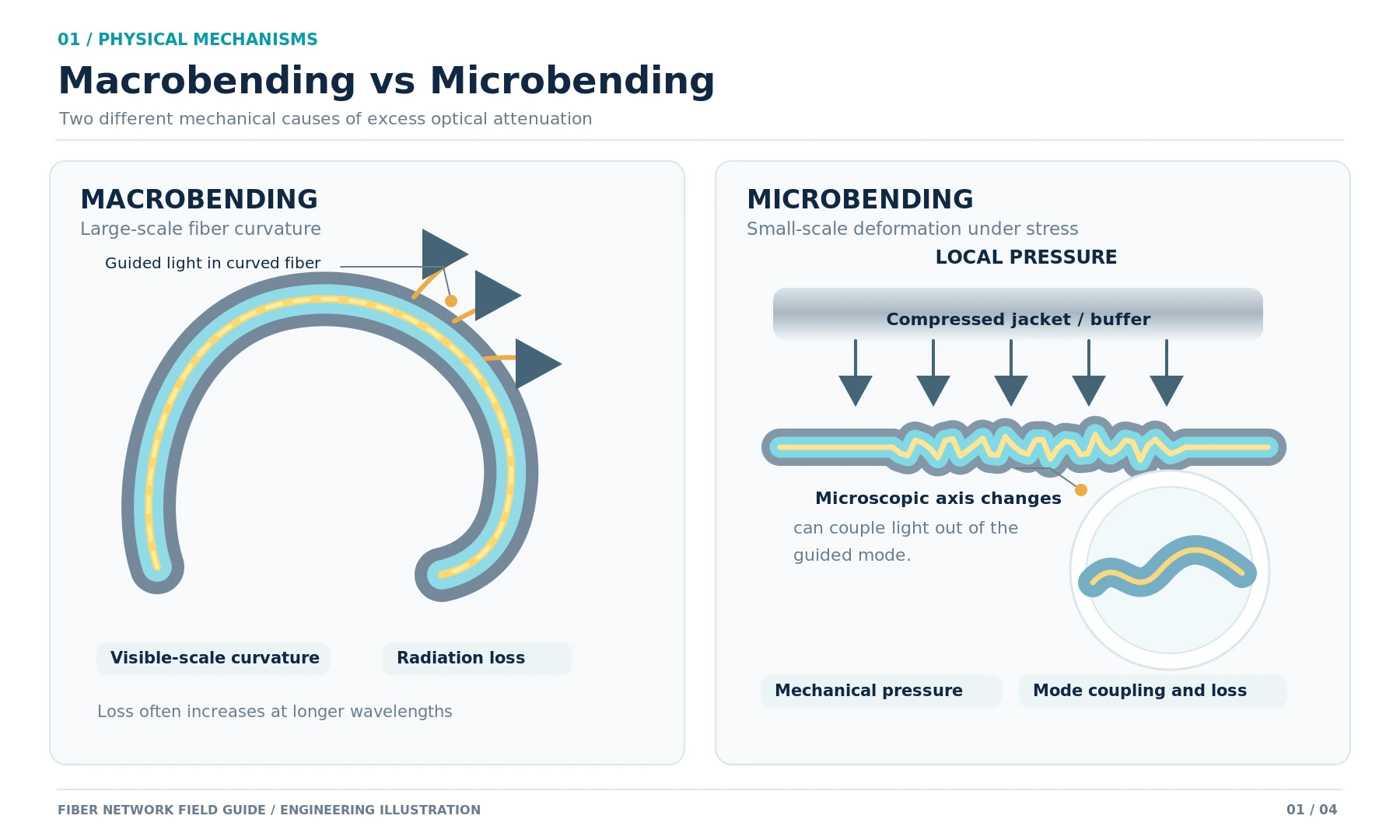
For a 5mm diameter jumper, that means no bends tighter than 100mm while pulling, relaxing to 50mm once secured. G.657 bend-insensitive fiber tolerates tighter radii at the glass level, but jacket and strength member limitations still apply.
Microbends are harder to spot and equally damaging: overtightened cable ties, routing over sharp edges, improper coiling in slack storage all create stress points. These often manifest as intermittent faults during temperature cycling, not obvious immediate failures.

Attachment method matters: Don't use cable ties (nylon or stainless) to secure fiber directly to tower steel. Cable ties create rigid anchor points that transmit tower vibration and concentrate stress during thermal expansion/contraction. Use fiber-specific cable hangers that allow controlled movement. Spacing of 1-1.5 meters provides adequate support without excessive constraint.
Testing protocol (ANSI/TIA two-tier):
Tier 1: OLTS end-to-end insertion loss measurement. Minimum acceptance requirement. TIA allows up to 0.75dB per mated connector pair, but quality installations should achieve 0.3dB or better.
Tier 2: OTDR characterization mapping individual splice and connector locations with associated loss values. Takes longer but provides baseline documentation essential for future troubleshooting.
We require Tier 1 on all projects. Tier 2 is strongly recommended for any rollout exceeding 20 sites.
Choosing Suppliers
The market segments by application tier:
Tier 1 carriers with global footprint typically specify Corning or Prysmian for trunk cables, CommScope or Huber+Suhner for outdoor connectivity. 20-30% price premium, but you get comprehensive certification packages, global logistics networks, and full warranty programs. If your customer requires brand-name BOM approval or your regulatory environment demands end-to-end traceability documentation, the premium is justified.
Regional carriers and tower companies watching costs find better value with qualified second-tier suppliers.
We position ourselves in this segment. Our FT-FTTA series jumpers use ceramic ferrules meeting TIA-455, with measured insertion loss of 0.15dB (we provide individual test reports, not spec sheet claims). Pricing runs 35-40% below Corning equivalents.
Let me be straight about our value prop: 2-week delivery, MOQ-friendly, and if something goes wrong I'm in Shenzhen-24 hours to your site. Can we match Corning on quality? The insertion loss data is right there: 0.15dB vs 0.12dB. On a 60-meter tower, that difference is unmeasurable.
And our limitations: logistics network covers APAC and Middle East efficiently, but North American delivery adds 7-10 days. Technical support is remote-we don't have the headcount for the on-site field engineering that major vendors offer.
Actual pricing reference (2024 Q4):
| Item | Spec | Corning Quote | Our Quote | Actual Close Price |
|---|---|---|---|---|
| Trunk cable | G.657.A2, 100m, 8-core, LSZH | $1,850 | $1,180 | $1,050 (after 3 rounds) |
| Jumper 3m | ODVA-LC, APC | $45 | $28 | $24 (order >500 units) |
| Jumper 3m | PDLC-LC, APC | $52 | $32 | $28 (order >500 units) |
| Jumper 3m | NSN-LC | Nokia OEM only | $38 | No negotiation possible |
Note: Corning prices are list; they'll discount 15% in practice. Our pricing is DDP to port, excluding installation support-on-site engineering is $800/day additional.
Supplier selection factors beyond unit price:
- Lead time: Corning standard items ship 4-6 weeks; custom longer. We ship standard in 2 weeks, custom in 3-4. When schedule is tight, delivery timing matters more than unit cost.
- Technical support: Major vendors offer field engineering and installation certification programs. We provide remote consultation only.
- Warranty terms: Industry standard is 1-year defect warranty. Clarify scope (materials only vs. materials plus installation labor) during contract negotiation.
My Recommendations
Eight years of learning the hard way:
Trunk cables
Use G.657.A2 for any site with space constraints. That 15-20% premium buys insurance against installation damage. Wide-open lattice towers with generous routing? G.652.D saves money without meaningful risk.
Jumpers
Confirm RRU interface type before issuing POs. Get written confirmation of compatibility with specific equipment models (Ericsson 6626, Nokia ABIA, Huawei AAU5613, etc.). Generic "outdoor LC" specifications are asking for returns.
Acceptance testing
Require individual test reports with serial number traceability. Spot-check 5-10% of incoming material against provided test data. Budget 5-10% of material cost for inspection equipment and cleaning supplies.
Supplier qualification
Request verifiable reference projects (contact name + phone + project PO number). Call them yourself. Verify: actual delivery performance, quality issue rates, after-sales responsiveness, hidden costs. Start with small initial orders to validate lead time claims before committing to volume.
Problems I Haven't Solved
A few things I still don't have good answers for:
- eCPRI multi-vendor interoperability: Honestly, the industry doesn't have a mature solution. Our strategy is to avoid mixed-vendor fronthaul until O-RAN Alliance standards actually work in practice. We're not holding our breath.
- 100GE optical module supply: Finisar and Lumentum are both in shortage. We ordered Q3, still waiting on half the shipment. Many projects are deploying 25GE initially with rate-limiting in the BBU, upgrading to 100GE when modules arrive. This phased approach doesn't appear in any whitepaper, but everyone who's actually deployed 5G knows about it.
- NSN interface alternative suppliers: Nokia has this locked down. No qualified third-party alternatives exist. Pricing is non-negotiable, lead times are long. If anyone's found a reliable alternative, I'd love to hear about it.
Contact
For FT-FTTA series specifications, connector compatibility verification, or project quotation:
We stock standard ODVA, PDLC, and NSN configurations in common lengths. Non-standard termination combinations and custom lengths require production scheduling-contact sales for lead time confirmation.