With the rapid increase in data traffic, various emerging services and applications continue to emerge, and the demand for high bandwidth and high speed in data centers has rapidly increased. It is against this background that OM5 fiber is approved as a new multimode fiber (MMF) for high-speed data center applications. At the same time, the closely related OM5 fiber patch cord has also begun to attract widespread attention in the industry. So, what is the widely concerned OM5 fiber jumper? What is the difference between it and the previous OM3 / OM4 fiber jumper?
What is OM5 fiber jumper?
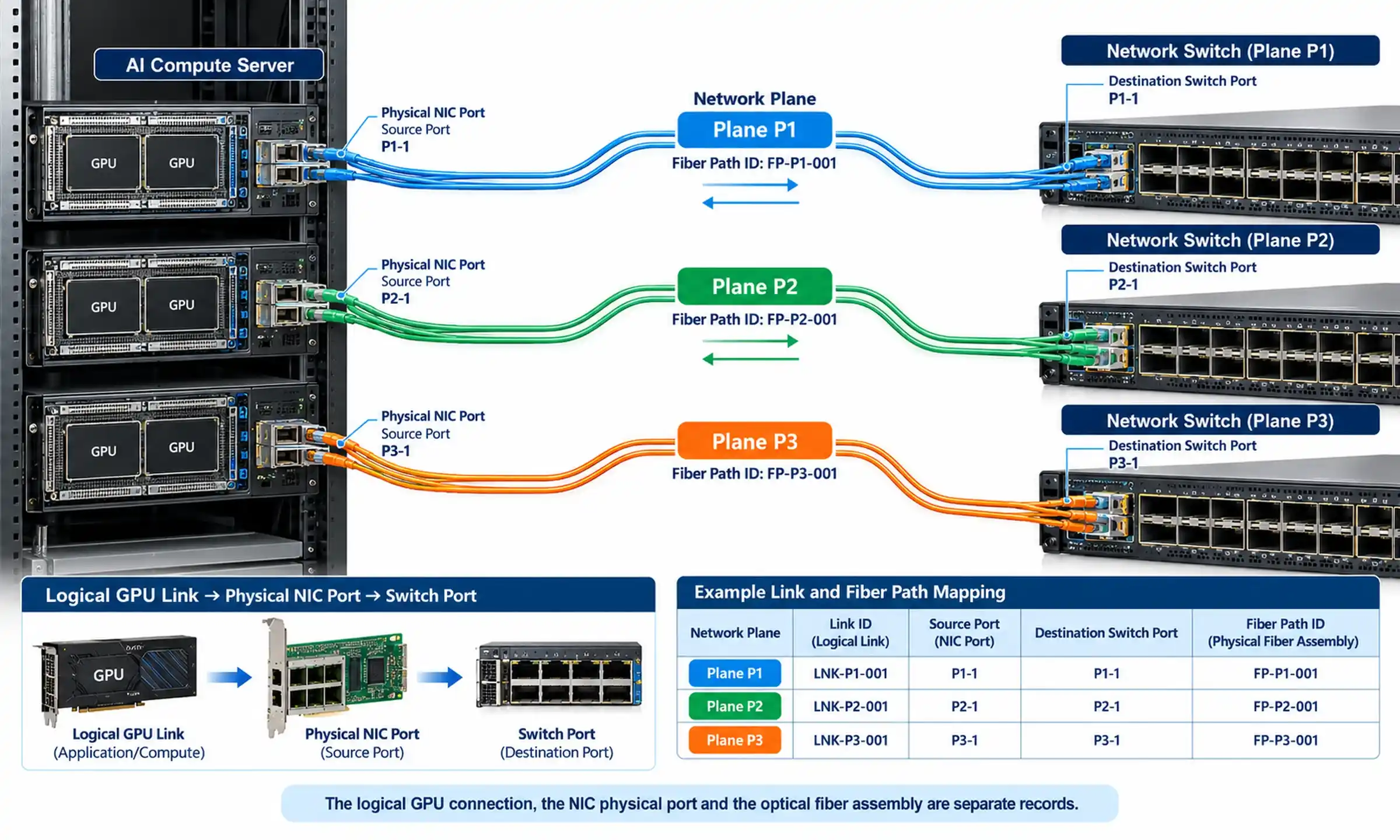
Optical fiber patch cords are used as patch cords from equipment to optical fiber wiring links. There is a thick protective layer, which is generally used in the connection between the optical transceiver and the terminal box. It is used in optical fiber communication systems, optical fiber access networks, optical fiber data transmission, and local area networks. With the continuous improvement of data center requirements for transmission rates, OM5 fiber patch cords are beginning to be used more and more.
At the beginning, OM5 fiber jumpers were called broadband multimode fiber jumpers (WBMMF), which is a new standard for fiber jumpers defined by TIA and IEC, with a fiber diameter of 50 / 125μm. Compared with other OM3 and OM4 fiber jumpers, OM5 fiber jumpers can be used for higher bandwidth applications. Because the manufacturing process of optical fiber preforms for OM5 fiber jumpers has been significantly optimized, it can support higher bandwidths.
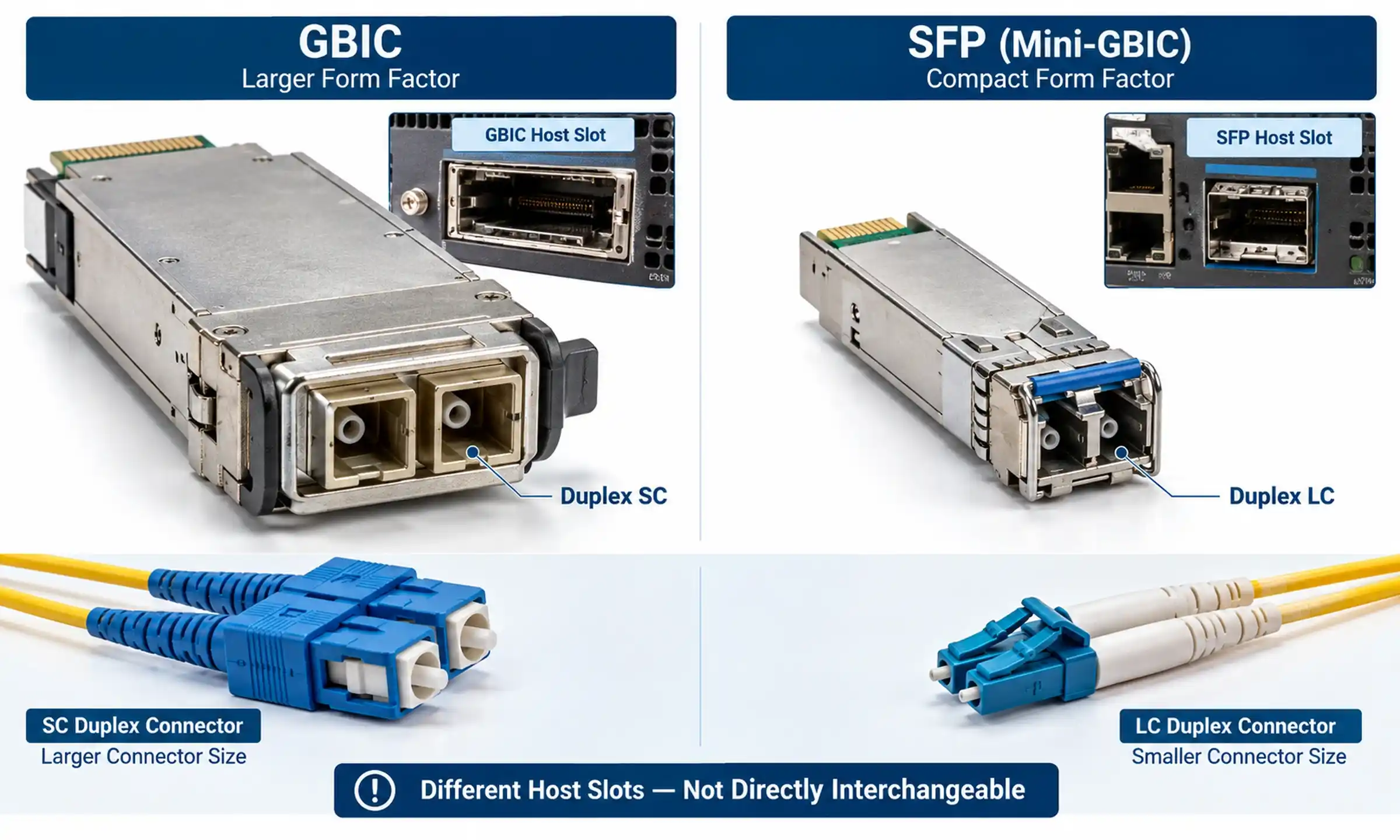
In terms of structure, it is not significantly different from OM3 and OM4 fiber jumpers, so it is fully backward compatible with traditional OM3 and OM4 multimode fiber jumpers. In February 2017, TIA clearly stipulated that the identification color of OM5 fiber jumpers is aqua, the outer jacket colors of OM3 and OM4 fiber jumpers are lake blue and purple, and OM3 and OM4 fiber jumpers can still be used with OM5 fiber The only difference is that the jumper is used together. The color of the outer sheath needs to be changed in order to easily identify the OM5 connection.
Three core advantages of OM5 fiber patch cord
There are three core advantages of OM5 fiber jumpers. First of all, its first advantage is its extreme scalability. OM5 fiber patch cords can combine short wave wavelength division multiplexing (SWDM) and parallel transmission technology, and only require 8-core broadband multimode fiber (WBMMF). It can support 200 / 400G Ethernet applications, and the future application potential is huge.
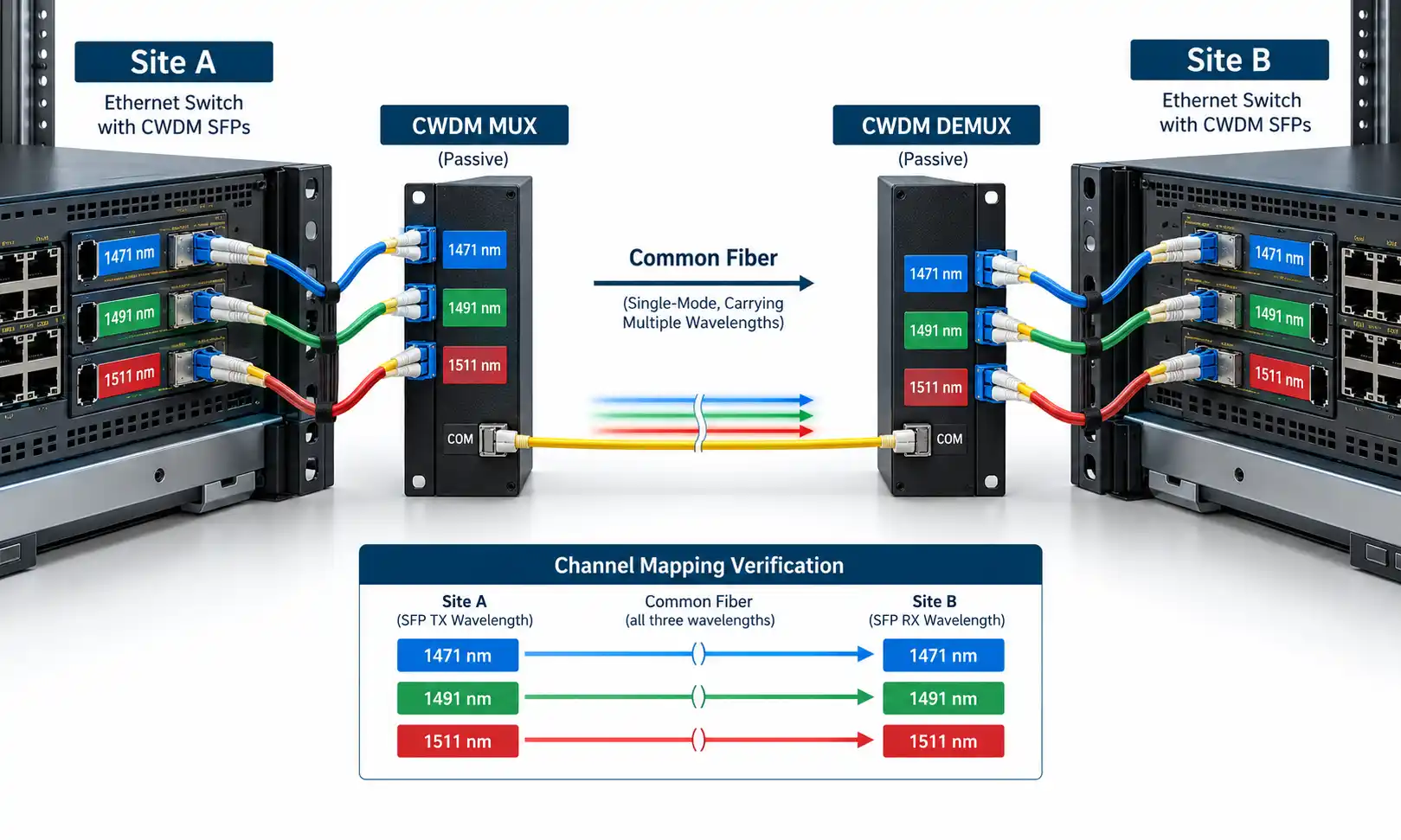
The second advantage is that the use of OM5 fiber jumpers can effectively reduce construction and operation costs. OM5 fiber jumper draws on the wavelength division multiplexing (WDM) technology of single-mode fiber to extend the usable wavelength range during network transmission. It can support 4 wavelengths on a 1-core multimode fiber and reduce the number of fiber cores required to The previous quarter, which has greatly reduced the wiring cost of the network, is also one of the fundamental reasons for its wide acceptance.
The third advantage lies in: OM5 fiber jumper has obvious advantages in compatibility and interoperability, and can support traditional applications as OM3 fiber jumper and OM4 fiber jumper. In addition, it is fully compatible with traditional OM3 and OM4 fiber patch cables, and the interoperability between them is extremely strong.
Meet the needs of high-speed data center transmission
The OM5 fiber patch cord gives strong vitality to the ultra-large data center. It breaks through the bottleneck of the parallel transmission technology and low transmission rate used by traditional multimode fiber. Not only can it use fewer multimode fiber cores to support higher speed network transmission, but also, because it uses a lower cost shortwave wavelength, the cost and power consumption of the optical module will be much lower than the single mode using a longwave laser optical fiber. Therefore, with the continuous improvement of transmission rate requirements, OM5 fiber jumpers will have broad application prospects in the future 100G / 400G / 1T ultra-large data centers.
Taking the first generation of 400G Ethernet fiber wiring in the future as an example, a total of 16 core fibers are required to send signals and 16 core fibers are used to receive signals. A total of 32 core fibers and multimode fibers are required, which means that the data center needs to deploy 32 Wiring system with core MPO / MTP interface. Therefore, the high cost of cabling will inevitably bring huge pressure to data center operators.
If you use OM5 fiber jumpers and short wavelength division multiplexing optical modules, only 8 core multimode fibers are needed, of which 4 core fibers are used to send signals, and 4 core fibers are used to receive signals, and each fiber transmits 4 Each wavelength, the transmission rate of each wavelength is 25Gbps, therefore, each core fiber of OM5 fiber jumper can transmit 100Gbps data. By using this technology of short-wavelength division multiplexing and parallel transmission, the cabling cost of the data center will be greatly reduced, and it is believed that OM5 fiber patch cord will be widely used in the near future.