1. 5G Rollout and Expansion
Global 5G Adoption: The deployment of 5G networks continues to expand globally. Countries are pushing to enhance their infrastructure to support faster and more reliable mobile connectivity.
Private 5G Networks: Enterprises are increasingly adopting private 5G networks to enhance their operational efficiency and support IoT applications, particularly in sectors like manufacturing, healthcare, and logistics.
2. Satellite Internet Services
SpaceX Starlink: SpaceX's Starlink project has been making headlines with its ambitious goal of providing global satellite internet coverage. The service is expanding into more regions and enhancing its satellite constellation for improved speed and reliability.
Competitors: Other companies, such as Amazon's Project Kuiper and OneWeb, are also advancing their satellite internet initiatives, promising to bring high-speed internet to remote and underserved areas.
3. Fiber Optic Network Expansion
Broadband Initiatives: Governments and private entities are investing heavily in fiber optic infrastructure to meet the growing demand for high-speed internet. This includes both urban upgrades and rural broadband initiatives.
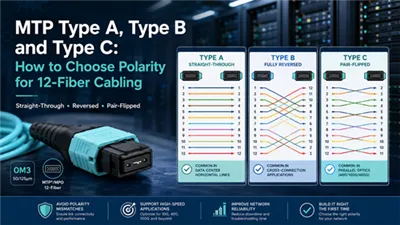
Technological Advancements: Innovations in fiber optic technology, such as new types of MPO connectors and improved installation techniques, are making networks more efficient and easier to deploy.
4. Cybersecurity Concerns
Ransomware Attacks: The frequency and sophistication of cyber-attacks, particularly ransomware, continue to rise, prompting companies to invest more in cybersecurity measures.
5G Security: As 5G networks become more prevalent, ensuring their security has become a top priority to protect against potential vulnerabilities.
5. AI and Machine Learning in Telecommunications
Network Optimization: AI and machine learning are being used to optimize network performance, predict maintenance needs, and improve customer service through AI-driven chatbots and support systems.
Fraud Detection: Telecom companies are leveraging AI to detect and prevent fraud, enhancing the security of their networks and services.
6. Sustainability Efforts
Green Initiatives: The communications industry is increasingly focusing on sustainability, with companies adopting green energy sources, recycling programs, and environmentally friendly materials in their products.
Carbon Neutral Goals: Major telecom providers are setting ambitious targets to become carbon neutral, driven by both regulatory requirements and consumer demand for sustainable practices.
7. Mergers and Acquisitions
Consolidation Trends: The industry is seeing a wave of mergers and acquisitions as companies seek to consolidate their market positions and expand their service offerings. These moves are reshaping the competitive landscape and creating more comprehensive service providers.
8. Edge Computing
Proximity Computing: Edge computing is gaining traction, enabling faster data processing by bringing computation closer to the data source. This is crucial for applications requiring low latency, such as autonomous vehicles and smart cities.
5G Synergy: The synergy between 5G and edge computing is becoming more pronounced, with telecom operators deploying edge infrastructure to enhance their 5G capabilities.
Conclusion
The communications industry is in a state of dynamic evolution, driven by technological advancements, increasing demand for high-speed connectivity, and the ongoing push for sustainability. Keeping abreast of these developments is essential for stakeholders to navigate the challenges and opportunities in this rapidly changing landscape.