If you've spent any time crawling around a modern data center or trying to figure out why your network guy keeps talking about 'high-density fiber solutions,' you've probably heard the term MPO thrown around. Maybe MTP too. People use them interchangeably-which is technically fine, since MTP is just US Conec's fancy branded version of the MPO standard. But that's not really the point here.
What matters is where these things actually get used. And honestly? The answer is: more places than you'd think.

Data Centers (Obviously)
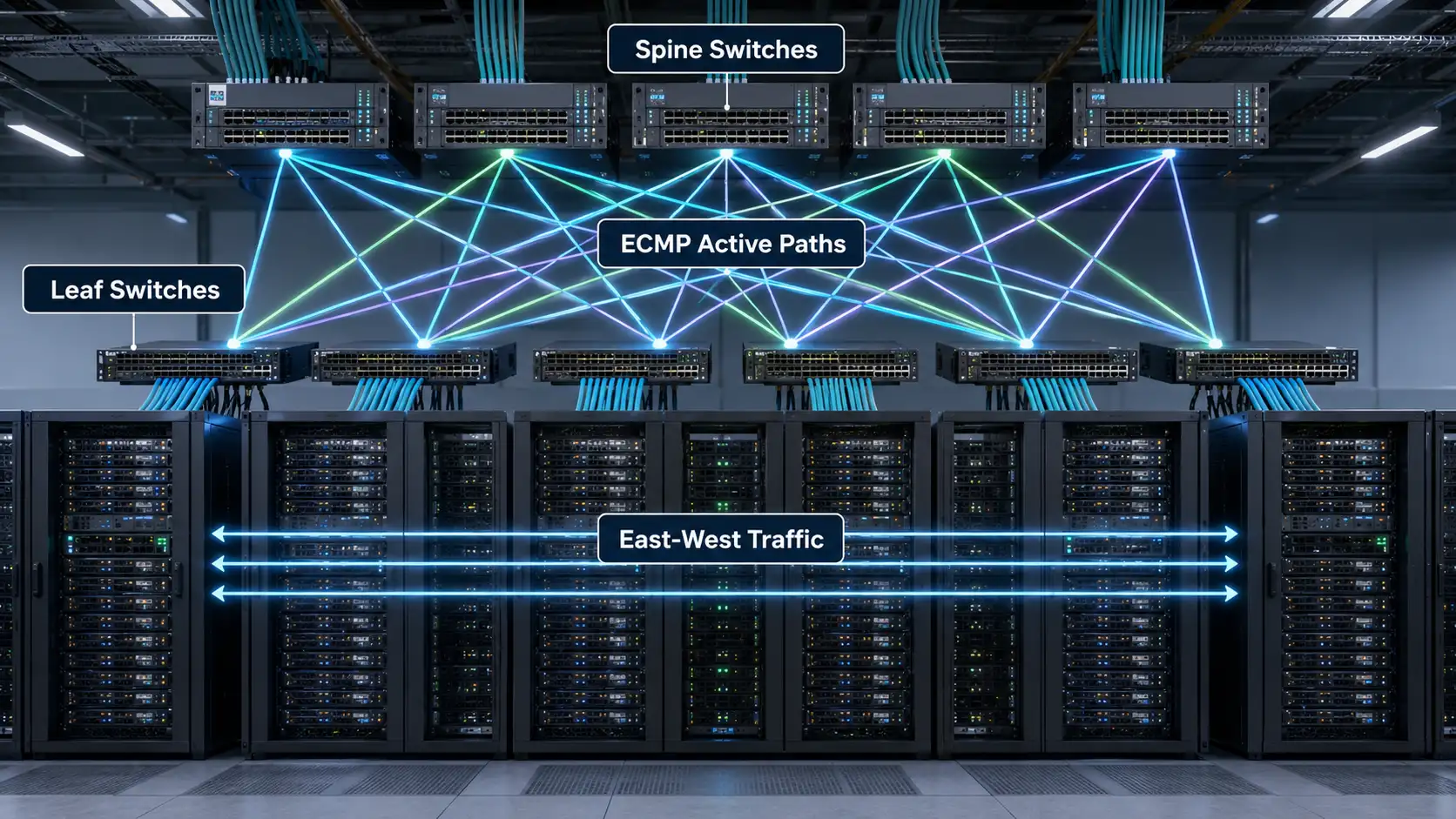
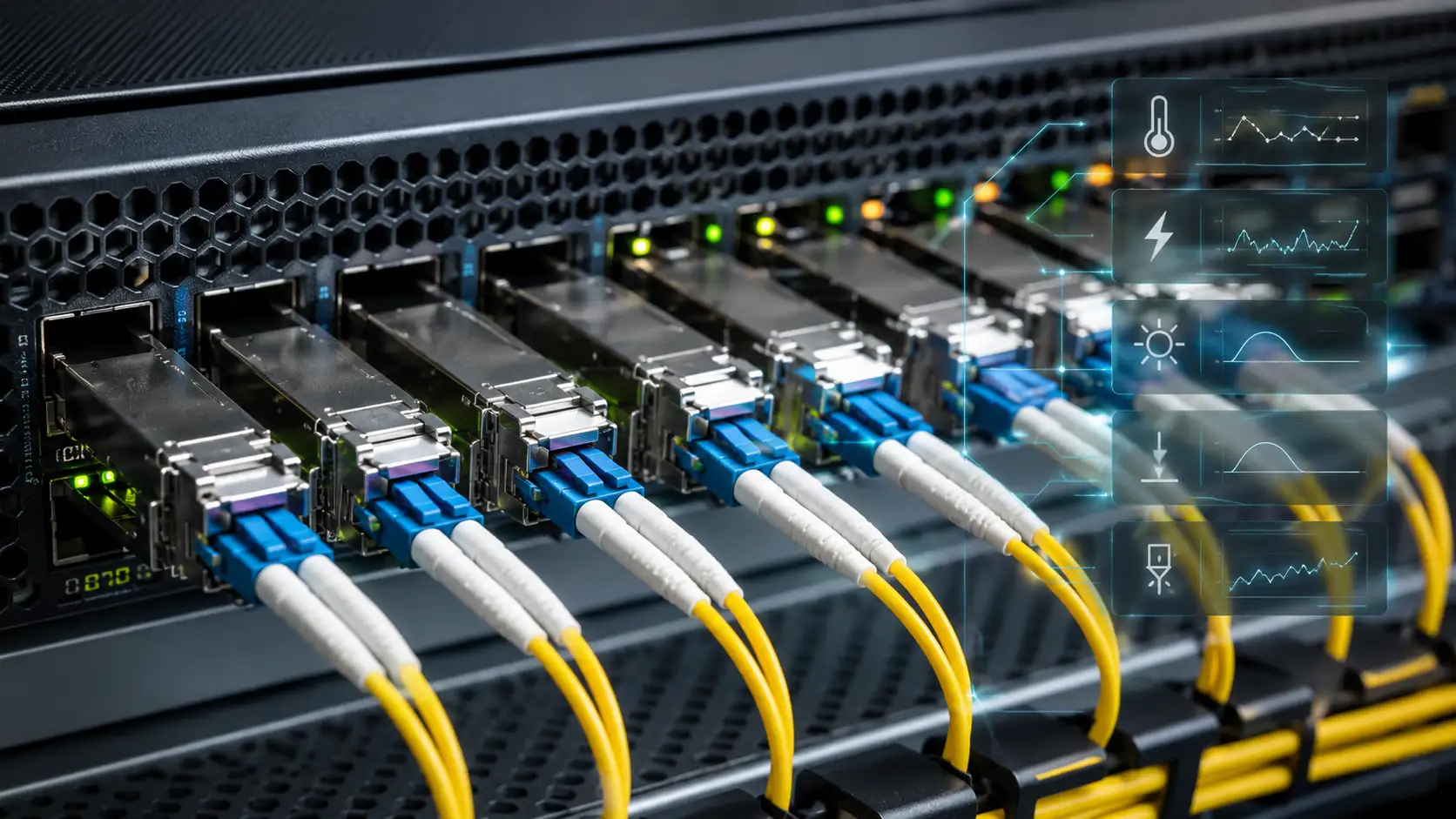
This one's kind of a gimme. Data centers are where MPO cables really found their home, and for good reason. When you're dealing with 40G, 100G, or now even 400G and 800G connections, the old duplex LC cables just don't cut it anymore. Think about it: a 100G-SR4 transceiver needs 8 fibers-4 transmit, 4 receive. You could run four separate duplex cables, or you could just use one MPO-12 trunk and call it a day.
The density argument is compelling too. A single MPO-12 connector packs 12 fibers into roughly the same footprint as a standard LC connector. Some quick math: a 1U patch panel that might hold 24 LC ports can accommodate 72 fibers worth of MPO connections. When rack space costs what it does-especially in hyperscale facilities-that's not nothing.
The typical deployment pattern goes something like this: MPO trunk cables run between racks or distribution areas, then break out to LC cassettes near the servers. It's a modular approach. Want to upgrade from 10G to 100G? Swap the cassettes, keep the backbone. The infrastructure guys love this.
Telecom and 5G Networks
Here's where it gets interesting. 5G deployment has created massive demand for high-density fiber connections, particularly in fronthaul and backhaul applications. Connecting radio units to baseband processing requires serious bandwidth, and the installation timeline pressures are intense. Nobody wants technicians splicing fibers in the field when they could be plugging in pre-terminated MPO assemblies.
A telecom operator in South Korea-one of the early 5G adopters-reportedly cut deployment time by 40% switching to MPO-16 for their 200G fronthaul links. That's the kind of number that makes CFOs pay attention.
Enterprise and Campus Networks
Universities, large corporate campuses, hospitals. Pretty much anywhere you've got multiple buildings that need to talk to each other at high speed. The backbone runs are usually MPO trunk, breaking out to whatever the end equipment needs. Not much more to say here-it's the same density-and-speed story, just scaled differently.

Broadcast and Professional AV
This one surprises people. Broadcast facilities have some of the most demanding video transmission requirements around-uncompressed 4K and 8K signals require enormous bandwidth. Traditional copper just can't handle it over any useful distance. But here's the thing: broadcast engineers also tend to be conservative. They don't adopt new technology unless they're confident it won't fail during a live broadcast.
MPO has made inroads because it solves real problems. Studio control rooms are cramped. Cable pathways are packed. Running high-density fiber means you can get more signals through tighter spaces. Plus, the pre-terminated nature reduces on-site installation errors-which matters a lot when you're wiring up a control room at 2 AM before a morning show.
Production trucks use them too. Those massive mobile broadcasting vehicles you see at sporting events? Limited space, extreme reliability requirements. MPO fits the bill.
Medical Facilities
Operating rooms streaming surgical video for training. MRI and CT scanners pushing massive image files to diagnostic workstations. Anywhere medical imaging meets network infrastructure, you'll often find MPO cabling doing the heavy lifting. The EMI immunity of fiber is particularly valuable here-no interference from all that equipment.
So Why Does This Matter?
Honestly, if you're reading this, you're probably already dealing with MPO cables somewhere in your environment-or you're about to be. The technology has moved past the 'emerging standard' phase. It's just how things are done now for anything above 10G in most commercial deployments.
The deployment locations keep expanding. I've heard about MPO being used in:
High-frequency trading floors (latency obsession)
Research institutions with compute clusters
Smart city infrastructure projects
Even some high-end residential installations, though that's still pretty rare
The pattern is consistent: wherever you need lots of fibers, fast deployment, and limited space, MPO shows up.

A Quick Technical Note
Fiber count varies by application. 8-fiber cables for most 40G/100G parallel optics. 12-fiber is still common because that's what the early deployments used. 16-fiber is gaining traction for 400G work. 24-fiber for specific 100G configurations (like 100GBASE-SR10). You can get them all the way up to 72 or even 144 fibers in trunk configurations.
Polarity matters too, but that's a whole separate discussion. Let's just say: if you're specifying MPO cable runs, make sure someone who understands Type A/B/C polarity is involved in the design. Getting it wrong means signals going nowhere.
The Bottom Line
MPO cables aren't everywhere yet. Small office networks, residential installs, anything under 10G-probably not worth the complexity. But the threshold keeps dropping. What required 100G connections five years ago now needs 400G. The applications that needed 400G are eyeing 800G and beyond.
If you're building infrastructure that needs to last more than a few years, understanding where MPO fits-and where it's heading-isn't optional anymore. It's just part of the job.
Data centers, telecom, enterprise, broadcast, medical. That's the current map. But networks don't stop evolving, and neither do the cables connecting them.