There is no doubt that fiber optic connections have improved over the years, with advancements such as superior insertion loss, better alignment, gender and polarity field changes, louvers, and smaller form factors. But despite these advances, contaminated fiber end faces remain the number one cause of fiber link performance issues.
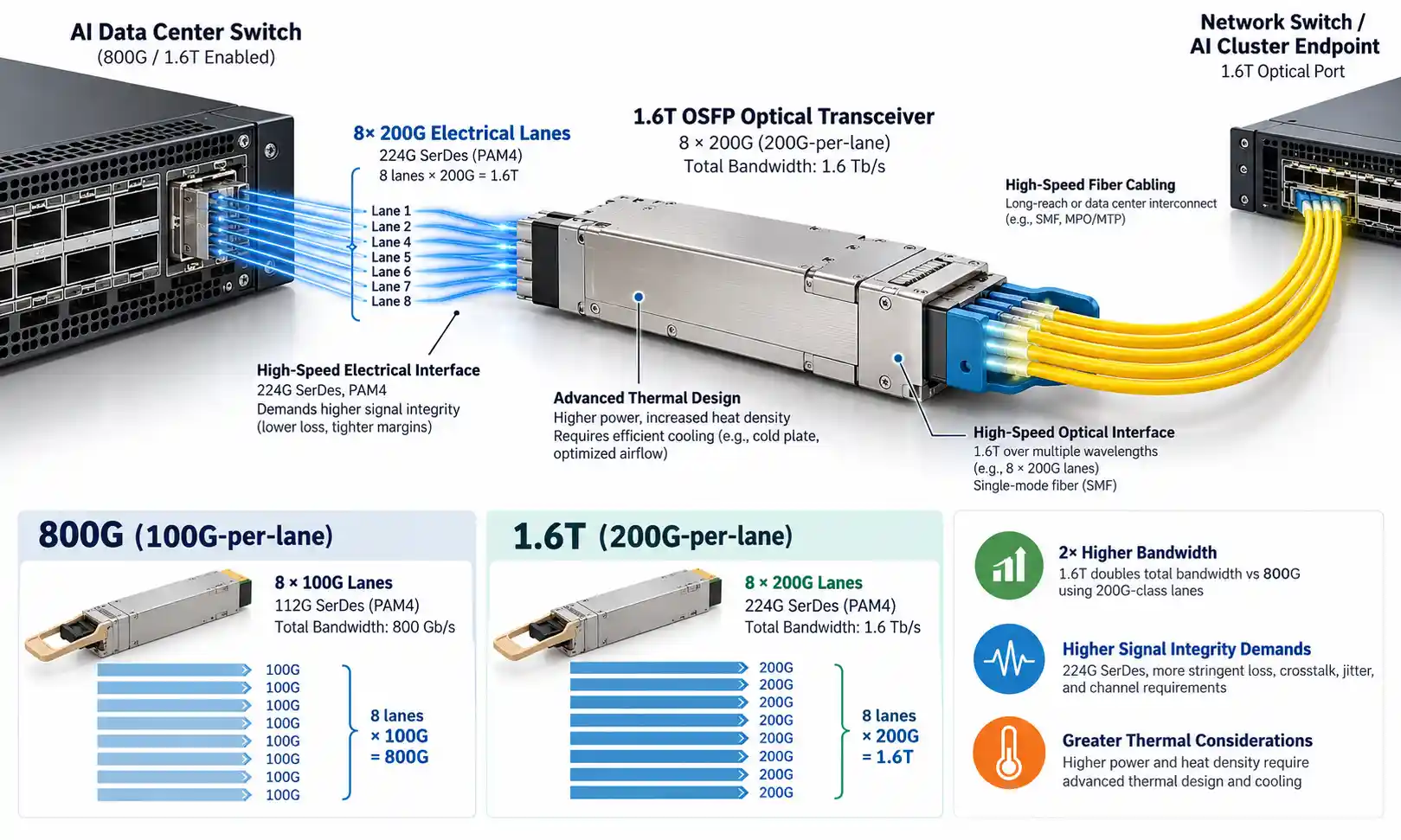
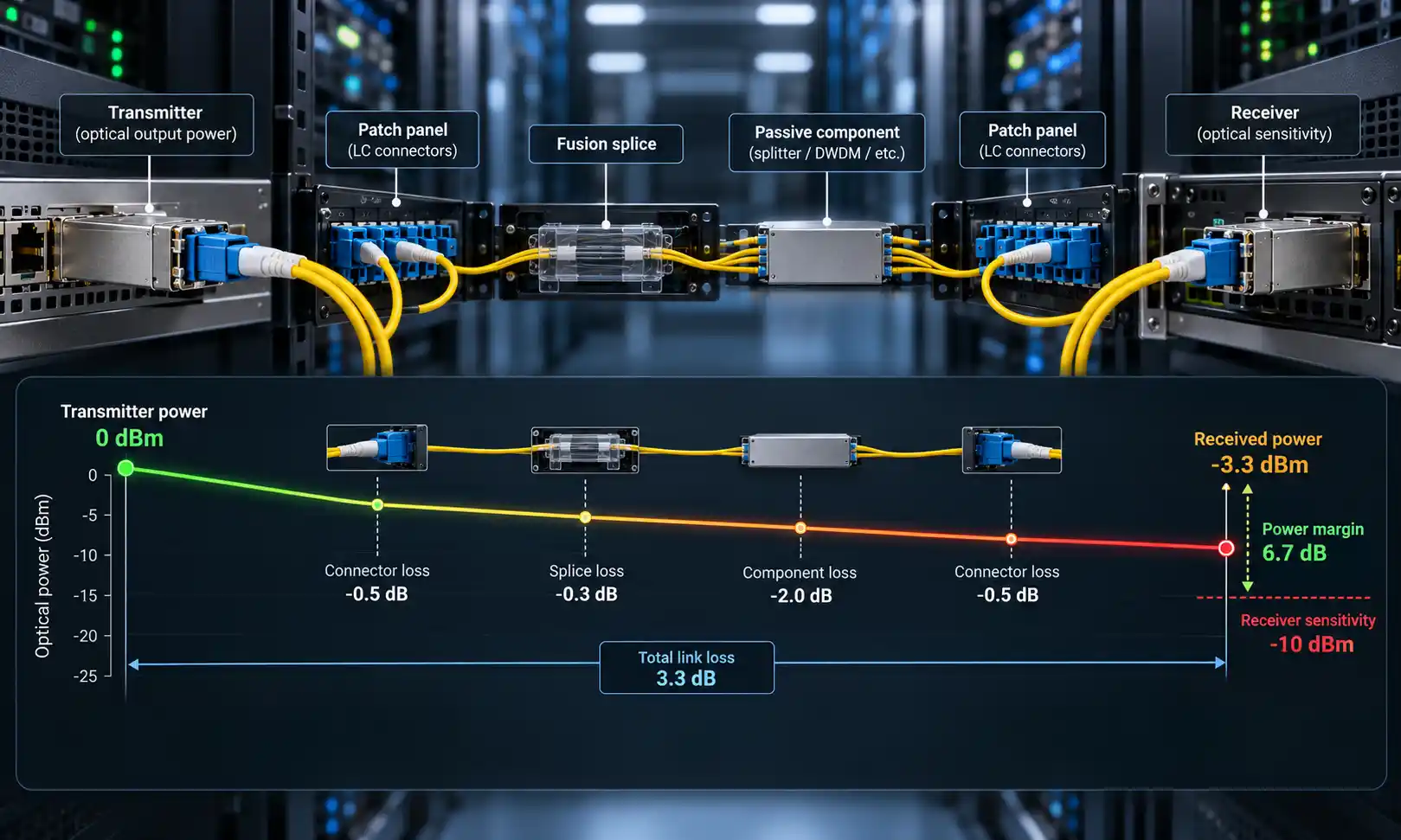
With the number of devices and data volumes reaching an all-time high, data centers require faster, low-latency 100, 200, 400 and even 800G transfer speeds. This means that more fiber optic links are being deployed in these environments than ever before, and these high-speed applications have more stringent insertion loss and return loss requirements. Any microscopic dust or dirt on the connector end face can cause losses and reflections that degrade network performance or cause costly downtime, and the dust or dirt can transfer to expensive optical transceivers and damage them. This is why cleaning and inspection is an absolute must no matter where the fiber end faces are exposed!
How fiber contamination occurs
Whenever you touch a fiber end face, you risk contamination from grease, oil, or even residual skin cells from your hands, despite your best efforts. While most technicians take care to avoid contact with fiber end faces, there are many other sources of contamination.
Any dirty, dusty environment has the potential for debris particles to settle on the fiber end face. While most data centers are reasonably clean, and many have policies prohibiting the use of cardboard and packaging materials in white or gray spaces, there is always the possibility of contamination in the surrounding environment. Even clothing that contains body oil, lint, or other substances can be a source of contamination.
Contaminants can also easily migrate from one fiber end face to another. In other words, every time a dirty connector is connected to a device or adapter, there is the potential to spread contaminants to the connection end face. There are some manufacturers that tout connectors that don't require cleaning and inspection, but even the most rigorous manufacturing and packaging processes can't guarantee that a connector is clean right out of the bag. In fact, even the plastic material of the dust cover may contain residue that can migrate to the fiber end face.
How to check whether the fiber end face is contaminated
It is recommended to use a fiber inspection scope to inspect all fiber end faces before cleaning and any time you need to troubleshoot a fiber link that is not functioning properly or operating as expected. During this process, you need to diligently inspect the end faces for dirt, spots, oil, liquid residue, or other contaminants.
There are some simple handheld inspection scopes that can handle various types of fiber optic connectors. Smart inspection mirrors will automatically detect contaminants in accordance with IEC cleanliness standards based on the number, size and location of particles. Contamination in the core and cladding areas of the end face is of particular concern as they can prevent the transmission of optical signals and cause significant losses and reflections, but the ferrule area should also be clean as dirt can easily migrate into the core.
Fiber end face cleaning
After inspecting the fiber end face, any contaminants need to be removed. There are two cleaning methods: wet cleaning with solvent or dry cleaning without solvent. Regardless of the type of cleaning, it is important to use cleaning fluids and wipes specifically designed for fiber optic connections. Isopropyl alcohol and other over-the-counter solvents can leave residue that is difficult to remove, and wipes not designed for fiber optic connections can leave lint or create static electricity that attracts dust.
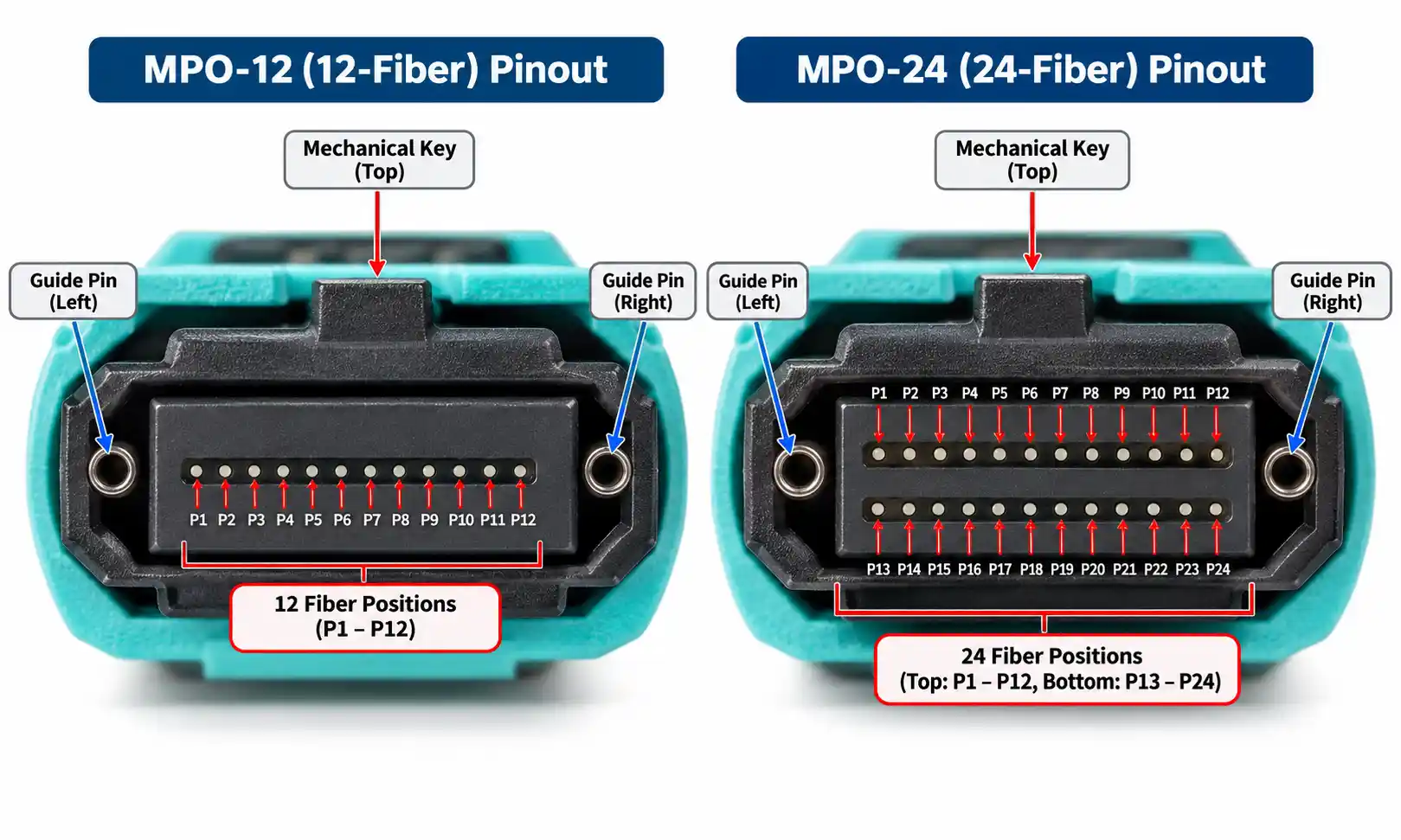
When cleaning fiber optic ports or connectors in adapters, panels or bulkheads, it is also important to use a cleaner designed for the specific fiber optic interface. For example, if you are cleaning multi-fiber MTP/MPO connectors, you will need to use an MTP/MPO cleaning tool specifically designed to clean these connections. Whether you are cleaning traditional 1.25 mm LC connectors and 2.5 mm ST and SC connectors, or one of the newer higher density connectors such as; Senko CS connectors or USConec MDC connectors, it is very important to use a cleaner that meets your needs important. There are even cleaners for cleaning harsh environment connectors.
The good news is, whether you need to inspect and clean any type of fiber optic connection, FOCC has the inspection tools and cleaners to suit your needs. If you're not sure which type of tool is right for you, you can contact us at any time and we're ready to help.
Most cleaners can clean a maximum number of connectors, so be sure to choose one that's right for the job at hand, or make sure you have enough to get the job done. If you are dealing with multiple connector types, consider using a fiber optic cleaning kit that comes with a variety of cleaners, wipes, and solvents. Refillable cartridge cleaners are especially convenient if you do a lot of cleaning.
When cleaning, be sure to apply enough pressure to make the wipe adhere to the fiber end face, but avoid excessive pressure or cleaning against a hard surface to avoid damaging the end face. After cleaning, the end face should be re-inspected using a fiber optic inspection scope to ensure it is clean. If you still see debris, be sure to clean and inspect again.
Remember, keeping your fiber optic connectors clean will help you avoid performance issues and potentially costly downtime!