Fiber MTP cables significantly reduce installation time, with documented savings ranging from 30% to 75% compared to traditional fiber systems. The primary advantage comes from pre-terminated connectors that eliminate on-site termination work, allowing installers to deploy multi-fiber connections with simple plug-and-play functionality.
Before MTP (Multi-fiber Termination Push-on) technology emerged, terminating and testing 144 fibers typically required two technicians a full workday. With fiber MTP cable assemblies, that same job can be completed in just a few hours by connecting 8 to 12 fibers at once with a single snap.

Why MTP Cables Accelerate Deployment
The installation speed advantage stems from several engineering decisions built into the fiber MTP cable design. Traditional fiber deployment requires technicians to individually cleave, epoxy, polish, inspect, and test each fiber strand-steps that demand specialized skills and controlled environments. Field termination in dusty construction sites or outdoor locations increases error rates and extends timelines.
MTP Cable assemblies arrive at job sites factory-terminated and 100% tested for insertion loss, return loss, and end-face geometry. This pre-termination eliminates the most time-consuming installation phases. One fiber MTP cable connector can house 8, 12, 24, or even 144 individual fiber strands within a single housing roughly the same size as a standard SC connector. This density transformation means one MTP connection replaces what would otherwise require 12 separate LC duplex connections.
The push-pull latching mechanism further streamlines deployment. Unlike traditional connectors that require careful alignment and threading, fiber MTP cable connectors mate with a straightforward snap action. Installers can complete connections without fine motor adjustments, and the standardized key-up/key-down orientation system prevents misalignment errors that cause rework.
Factory Testing Eliminates On-Site Validation
Pre-terminated fiber MTP cable assemblies undergo rigorous quality control in controlled manufacturing environments. Each cable receives comprehensive optical testing before shipment, with documentation provided for insertion loss and return loss values. This factory validation fundamentally changes the installation workflow.
Field-terminated systems require installers to carry testing equipment, perform end-face inspections, and validate each connection point. When problems arise, technicians must troubleshoot on-site, often discovering issues only after completing large sections of work. Rework in data centers or telecommunications facilities can extend project timelines by days or weeks.
With pre-tested MTP cables, installers focus exclusively on routing and connection. The testing burden shifts from the job site to the factory floor, where controlled conditions and precision equipment ensure consistent quality. Teams report 30-50% reductions in overall deployment time when switching from field termination to pre-terminated MTP solutions for comparable scopes.
High-Density Connections Reduce Labor Requirements
The multi-fiber nature of MTP Cable technology directly impacts workforce needs. Consider a 100G data center deployment requiring 288 fiber connections. Using traditional LC duplex cables, installers would manage 144 separate patch cords, each requiring individual routing, labeling, and connection verification.
The same deployment using 12-fiber MTP cables requires only 24 trunk assemblies. Fewer cables mean less time spent on cable management, reduced pathway congestion, and faster visual inspection. Two installers can complete in hours what previously required a larger team working multiple shifts.
Labor cost savings compound over the project lifecycle. Pre-terminated fiber MTP cable systems reduce the skill level required for installation. While field termination demands certified technicians familiar with polishing techniques and optical testing protocols, MTP deployment requires primarily cable routing competency. Organizations can staff projects with fewer specialized technicians, lowering labor costs while maintaining quality standards.
Structured Cabling Architecture Streamlines Changes
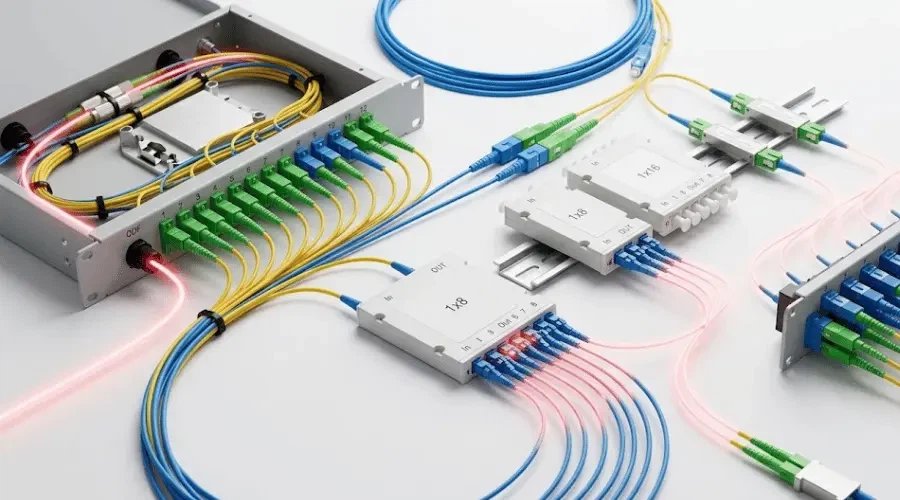
Fiber MTP cable systems integrate naturally into structured cabling environments through standardized cassettes and adapter panels. These pre-manufactured components organize fiber strands into carefully arranged segments, eliminating the manual fiber arrangement work that slows traditional deployments.
In traditional systems, technicians meticulously arrange every fiber strand at patch panels and switches-work measured in minutes per connection. MTP cassettes arrive pre-configured with internal fiber mapping, transforming complex crossover patterns into plug-and-play modules. This modularity extends beyond initial installation to ongoing maintenance, additions, and changes.
Network operators report dramatic time savings during equipment upgrades. When refreshing switches or adding capacity, technicians can swap entire MTP trunk assemblies in minutes rather than re-terminating dozens of individual fibers. The removable housing design of MTP Cable connectors even allows re-polishing and gender transitions without cable replacement, further reducing downtime during modifications.
Real-World Deployment Speed Comparisons
Installation time improvements vary based on project scope and existing infrastructure, but multiple deployment scenarios demonstrate consistent patterns. A hyperscale data center deploying fiber connections across server rows saw installation time reduction of up to 70% using pre-engineered MTP distribution systems compared to traditional jumper-based approaches.
Telecommunications providers implementing FTTH (Fiber to the Home) rollouts switched to pre-terminated MTP assemblies after weather delays and field splice rework disrupted schedules. By eliminating on-site splicing and polishing, crews completed riser and drop installations by matching labels and plugging connections. What previously required weekend installation windows compressed to hours, with teams moving between sites multiple times per day.
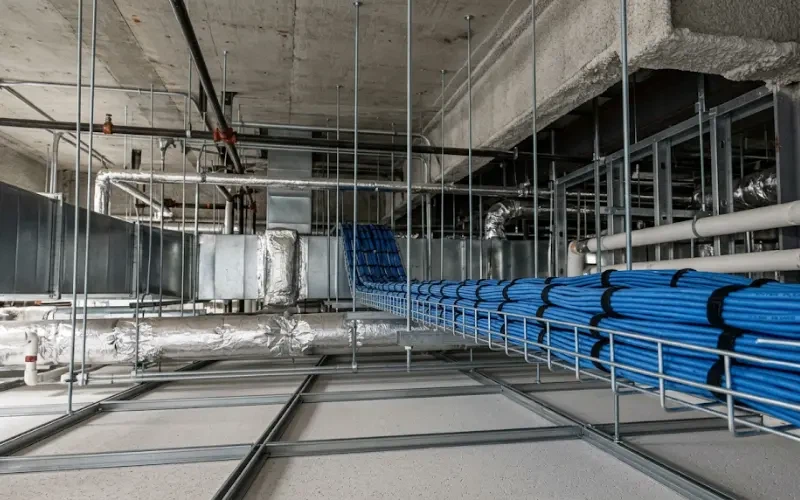
Even smaller enterprise deployments benefit from accelerated timelines. A corporate campus network upgrade requiring 48 fiber links between buildings used 12-fiber MTP trunk cables with pulling eyes. Installation crews pulled complete assemblies through existing conduit in one pass, eliminating the multi-day process of pulling backbone cable, splicing at patch points, and terminating at endpoints. The project finished two days ahead of schedule despite challenging pathway conditions.

Design Features That Enable Speed
Several MTP Cable connector innovations contribute to faster installations beyond pre-termination. The floating ferrule design maintains physical contact between polished fiber tips even when the connector housing experiences stress or rotation. This mechanical stability means connections remain reliable through the handling and positioning that occurs during deployment.
Metal pin clamps in MTP connectors provide stronger grip on alignment pins compared to plastic alternatives used in standard MPO connectors. This durability prevents pin breakage during repeated mating and unmating-common during installation troubleshooting. Installers spend less time managing damaged connectors and more time completing installations.
The elliptical shape of precision alignment guide pins reduces wear and debris generation from multiple insertions. This seemingly minor detail accumulates into measurable time savings during large deployments where technicians repeatedly test-fit connections while organizing pathways. Reduced cleaning and inspection cycles keep installation momentum flowing.
Ribbon fiber arrangements within MTP cables contribute to pulling efficiency. At one-third the diameter of tight-buffered cables, ribbon cables fit through tighter spaces and accommodate smaller minimum bend radii. Installers navigate difficult pathways without requiring pathway enlargement or specialized pulling techniques that consume additional time.
Installation Speed vs. Planning Requirements
While fiber MTP cable systems dramatically reduce installation time, they shift complexity to the planning phase. Pre-terminated cables require accurate length measurements and lead time for manufacturing. Organizations must plan cable routes and connection points carefully, as fixed-length assemblies don't offer the adjustment flexibility of field-terminated systems.
This planning requirement actually improves overall project efficiency. Teams that invest time in precise documentation and measurement complete deployments faster with less waste. The planning discipline reduces on-site decision-making that often causes delays. Installers arrive with exactly the right cable lengths rather than cutting and terminating from bulk reels.
Some deployment scenarios genuinely benefit from field termination flexibility. Retrofit projects in existing buildings with unknown pathway conditions may encounter obstacles requiring on-site length adjustments. Remote installations without reliable delivery logistics might need field termination capability. However, these situations represent exceptions rather than the norm in structured data center and telecommunications environments.
Multi-Fiber Connector Density Advantage
The density improvement from MTP Cable technology extends beyond individual connections to overall installation scope. A single 1U rack-mount housing with duplex LC connections holds 144 fibers. The equivalent MTP housing accommodates 864 fibers-six times the capacity in identical physical space.
This density multiplication directly correlates with installation time reduction. Fewer rack units to mount, fewer cable trays to fill, and fewer pathways to manage all compound into faster project completion. The space efficiency also improves cooling airflow, reducing cable congestion that slows installation work in confined areas.
Cable mass reduction creates another time advantage. Traditional fiber deployments can produce tangled "cable spaghetti" that requires extensive organization and management time. The consolidated multi-fiber approach of MTP cables naturally organizes connections, with color-coded jackets and clear labeling enabling rapid identification. Troubleshooting and verification proceed faster when cable routing remains visible and logical.
Integration with 40G/100G/400G Standards
Fiber MTP cable technology aligns perfectly with parallel optics used in high-speed networking. A 40GBASE-SR4 link requires four transmit and four receive lanes-exactly what an 8-fiber MTP cable provides. The technology match eliminates conversion steps that would otherwise require additional time and components.
As data centers migrate toward 100G and 400G speeds, the installation time advantage strengthens. A 100GBASE-SR10 connection using traditional duplex cables would require managing 20 individual fiber strands across 10 duplex pairs. The equivalent 12-fiber MTP cable bundle simplifies the connection to two trunk assemblies, each manageable with one hand.
Early adoption of fiber MTP cable infrastructure future-proofs facilities for speed upgrades. Organizations deploying MTP cabling today for 40G applications can later upgrade to 100G or 400G by changing transceivers and cassettes while reusing the installed fiber plant. This upgrade path eliminates re-cabling projects that would otherwise require complete installation cycles.
Labor Skill Requirements and Training Time
The simplified installation process for fiber MTP cable systems reduces training time for installation crews. Field termination requires technicians to master multiple specialized skills: cleaving fiber to precise lengths, applying and curing epoxy, polishing end faces to correct geometry, and interpreting microscope images to assess quality.
Training a technician to competency in field termination typically requires weeks of instruction and supervised practice. Certification programs ensure consistency, but this preparation phase extends project timelines when specialized personnel become unavailable. The learning curve for MTP cable installation focuses primarily on cable routing, connector cleaning, and polarity verification-skills that technicians acquire in days rather than weeks.
Organizations report reduced dependency on vendor-certified installers when deploying pre-terminated MTP systems. While initial project planning might involve specialists to ensure correct polarity schemes and connection configurations, the actual installation work can be completed by general low-voltage technicians. This workforce flexibility prevents bottlenecks that delay project completion.
Error Reduction and Rework Avoidance
Installation speed gains from fiber MTP cable technology include time never spent on rework. Field termination introduces multiple opportunities for human error: incorrect cleave lengths, contaminated end faces, improper polishing technique, or damaged fibers during handling. Each error requires diagnosis and correction, consuming time that extends installation schedules.
Factory-controlled termination environments eliminate most error sources. Automated equipment ensures consistent end-face geometry, and testing catches defects before cables ship. When installers receive pre-terminated assemblies, the primary error risk shifts to routing mistakes or connector contamination-issues quickly resolved without requiring retermination.
The polarity management system built into MTP Cable standards also prevents connection errors. The key-up and key-down orientation system, combined with Method A, B, and C polarity schemes, creates physical constraints that guide correct connections. Installers cannot accidentally create polarity mismatches that would require troubleshooting time in traditional systems where each fiber can potentially connect to any port.
Frequently Asked Questions
How much faster is MTP cable installation compared to traditional fiber?
Installation time reductions typically range from 30% to 75% depending on project scope and complexity. Small deployments see smaller percentage gains, while large-scale projects with hundreds of fiber connections achieve the upper end of time savings.
Do pre-terminated MTP cables work for outdoor installations?
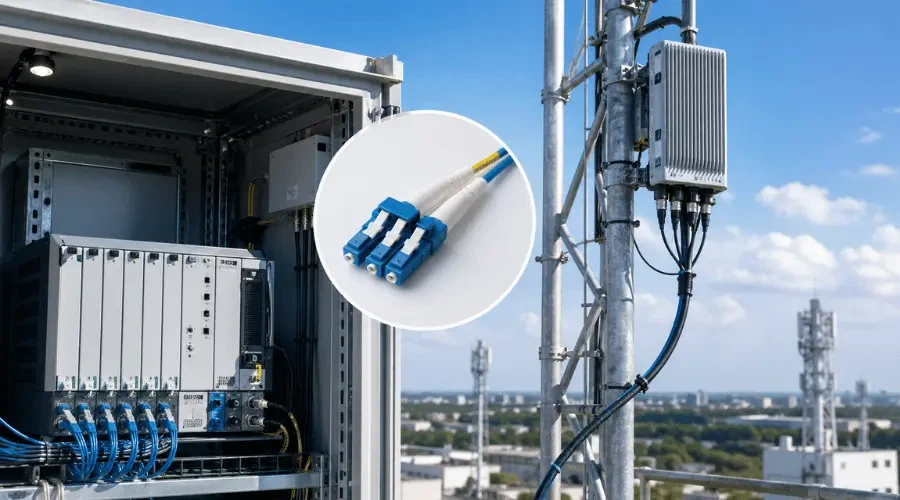
Yes, fiber MTP cable assemblies are available in outdoor-rated configurations with appropriate jacket materials and weatherproofing. The installation time advantage remains significant for outdoor deployments, though planning requirements increase to ensure accurate length measurements for fixed routing paths.
Can MTP cables be customized for specific deployment needs?
Fiber MTP cable assemblies support extensive customization including fiber count, fiber type (single-mode or multimode), polarity method, connector gender, cable length, and jacket rating. Manufacturers typically deliver custom configurations within 2-4 days, though complex specifications may require longer lead times.
What happens if an MTP cable is the wrong length?
Unlike field-terminated systems where technicians can adjust lengths on-site, pre-terminated MTP cables come in fixed lengths. Incorrect measurements require replacement cables. However, careful planning and measurement typically result in less than 2% length-related issues, and the time lost to occasional replacement remains far less than time saved across all correctly specified cables.
Do installers need special tools for MTP cables?
MTP Cable installation requires minimal specialized equipment compared to field termination. Basic tools include fiber cleaning supplies, inspection microscopes for connector end-face verification, and standard cable management accessories. The elimination of termination equipment (cleavers, polishing machines, epoxy supplies, curing ovens) dramatically reduces tool costs and setup time.
The dramatic installation time reduction offered by fiber MTP cable technology stems from the fundamental shift from field termination to factory-terminated assemblies. By eliminating the most time-consuming installation phases-individual fiber termination, polishing, and testing-MTP systems allow deployment teams to focus on cable routing and connection. The multi-fiber density advantage further compounds time savings by reducing the number of individual connections installers must manage.
Organizations evaluating fiber infrastructure should consider both the immediate installation speed benefits and the long-term advantages of modular, pre-tested cabling. While MTP Cable systems require more thorough planning than field-terminated approaches, the time investment in design and measurement pays dividends through faster deployment, reduced labor costs, and lower error rates. The technology has become the de facto standard for high-density environments precisely because it delivers measurable time and cost savings across the project lifecycle.